Let’s talk about “smart” airports, those over-hyped tech monstrosities that promise efficiency but deliver chaos. I once spent an hour in one of these so-called futuristic hubs, watching a facial recognition scanner fail to recognize anyone who wasn’t starring in a sci-fi movie. Meanwhile, the line at the manual check-in counter moved faster than my patience could dissipate. But hey, at least the airport app sent me a cheerful notification about my gate change—ten minutes after the boarding had closed. If this is the future, I hope my flying car comes with a manual.
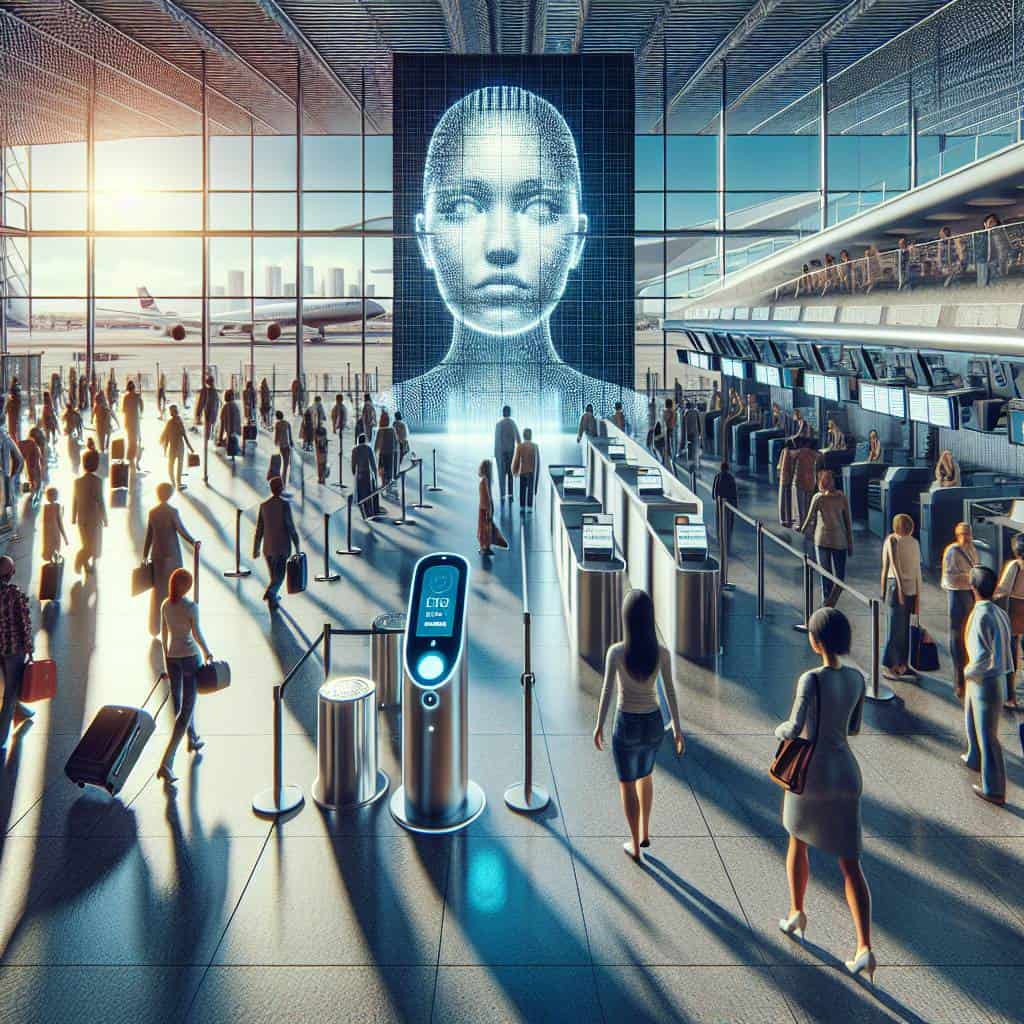
In this article, I’m stripping the shiny veneer off the “smart” airport concept to show you what’s really underneath. Forget the buzzwords like IoT and digitalization; I’ll give you the lowdown on the practical realities of cramming tech into terminals. Expect a no-nonsense breakdown of sensors, the pitfalls of digital over-dependence, and why sometimes, a human touch beats a digital one hands down. So buckle up, because it’s time to cut through the techie jargon and see if these airports are really as smart as they claim.
Table of Contents
The Day I Realized Airports Were Spying On Me With Sensors
Let me set the scene for you. I’m trudging through the terminal, barely awake, when it hits me—this place knows more about my morning habits than I do. I’m not talking about the usual security cameras. No, it’s the sensors tucked away in every corner, silently tracking my every move. From the moment I walked in, they had my number. These little devices were monitoring foot traffic, using IoT to build a digital map of human behavior. It’s like the airport got a PhD in people-watching while we weren’t paying attention.
So why does this matter? Well, this isn’t just about counting noses for crowd control. This is about the full-blown digitalization of our environments—turning airports into living, breathing data beasts. And let’s be real, this is the future knocking on our door with a battering ram. Smart infrastructure is here, and it’s not just about convenience. It’s about control. Sure, the airport might claim it’s improving efficiency, optimizing queues, or enhancing the passenger experience. But let’s cut through the jargon. This is a data goldmine, and we’re the unwitting miners.
The Illusion of Intelligence
Throwing IoT and sensors at an airport doesn’t make it smart; it just means we’re drowning in data without a lifeboat.
When Smart Gets Too Smart for Its Own Good
Now, after all these years, I’ve come to terms with the fact that airports, in their quest for ‘smartness’, have left a bitter taste. It’s like they dressed up in the fanciest tech tuxedo but forgot the basics of hospitality. Sure, IoT and sensors are supposed to make things smoother, but when every step you take feels like you’re being watched by a digital hawk, you start to wonder if we’ve traded convenience for a surveillance nightmare. In the end, it’s not about being smart; it’s about being wise. And wisdom isn’t found in sensors but in the simplicity of genuine service.
So here I am, a little wiser and a lot more skeptical. The next time I walk through those automated gates, I’ll know better than to blindly trust the blinking lights and whirring gadgets. Because sometimes, the smartest thing you can do is to question the ‘smart’ itself. The truth is, if we keep chasing the next shiny tech without asking why, we risk losing what makes travel human in the first place. Maybe, just maybe, it’s time to unplug a bit and remember that technology should serve us, not the other way around.
