I remember the first time I heard about electric aircraft. I was sitting in a cramped room full of engineers, all buzzing with excitement over the “future of aviation.” Meanwhile, I was trying not to roll my eyes so hard they’d fall out of my head. Sure, electric planes sound as thrilling as a tech fairytale—until you realize you’re essentially strapping a giant battery to a flying metal tube and hoping it doesn’t fizzle out like your phone at 2%. Call me skeptical, but if my engineering instincts are right, this isn’t the Jetsons’ era yet.
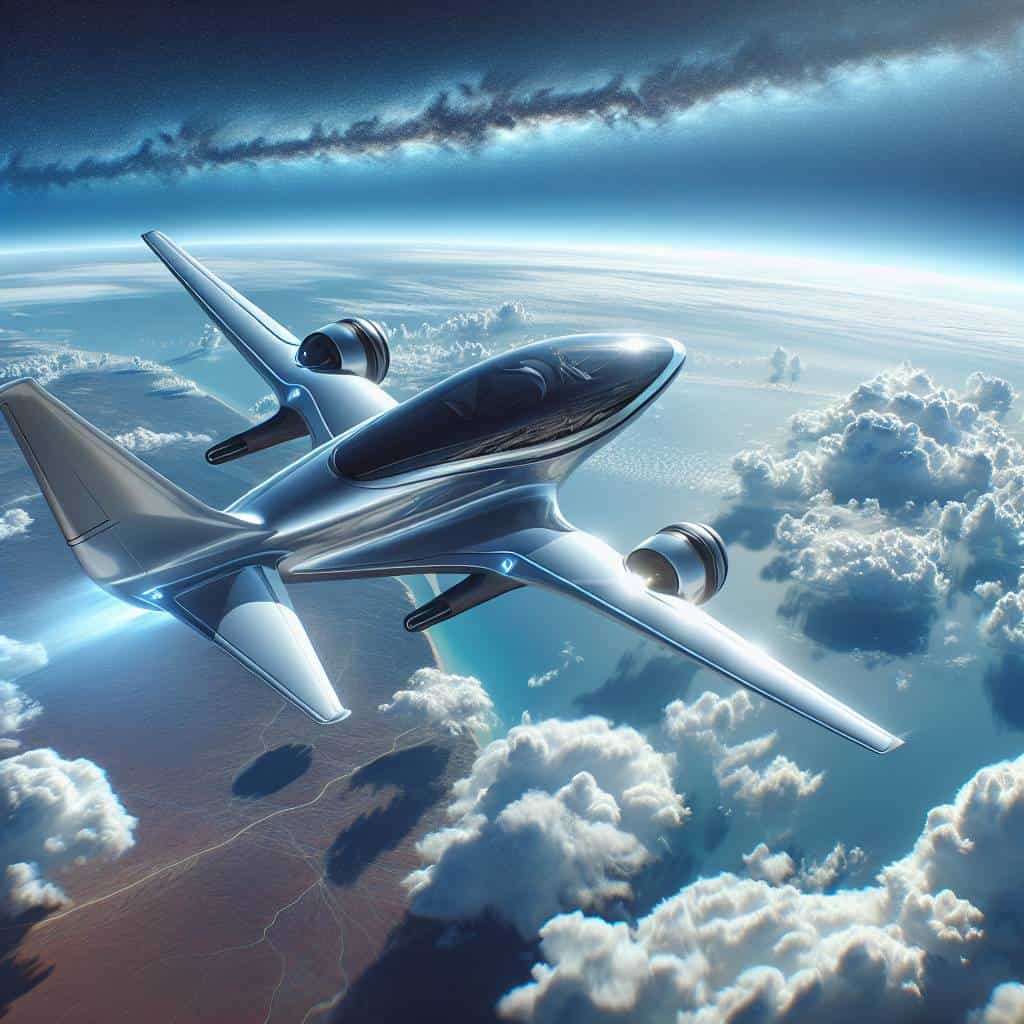
But hey, maybe I’m jaded. So let’s dig deeper before we write off these electrified birds entirely. In this article, we’ll cut through the hype and examine whether these so-called innovations are truly the game-changers they’re painted to be. Expect some hard truths about their range limitations, the genuine impact on green technology, and whether they can realistically dethrone the good ol’ jet engine. Buckle up; we’re in for a bumpy ride.
Table of Contents
When Your Flight Dreams Get a Green Makeover: The Perils of Innovation
Let’s dive straight into the green dream of electric aircraft. Picture this: you’re 30,000 feet in the air, and instead of the deafening roar of fossil fuel engines, you hear… well, not much at all. Sounds like a dream, right? But here’s the kicker—while we’re all busy popping champagne for Mother Earth, that silence might just be the calm before the storm. Because when innovation wears a shiny green coat, it brings its own set of baggage. These aircraft rely on battery technology that’s still fighting to catch up with the demands of aviation. The harsh reality? Right now, we’re talking about limited range and payload restrictions that could leave you grounded faster than you can say “eco-friendly.
Innovation, in its purest form, is a double-edged sword. On one side, you’ve got the potential for revolutionizing how we fly—cleaner skies, reduced emissions, a pat on the back from environmentalists everywhere. But flip that blade, and you’ll find the technical hurdles that keep engineers like me awake at night. It’s not just about slapping a battery on an aircraft and calling it a day. There are weight issues, energy density challenges, and let’s not forget the infrastructure overhaul needed to support these electric dreams. So, while we’re busy imagining a future where our carbon footprint is a whisper, let’s not ignore the fact that the path to get there is littered with the perils of progress.
Flight of Fancy or Reality Check?
Electric aircraft aren’t just about going green; they’re about redefining what’s possible when the skies meet the grid. But let’s be real—until they can fly further than a kite on a windy day, they’re more dream than destination.
The Sky’s the Limit, But Let’s Get Real
When I first heard about electric aircraft, I wanted to believe they were the panacea for our environmental sins, a sleek promise of guilt-free skyward journeys. But as an engineer, I can’t ignore the stark reality: we’re marrying the romantic notion of flight with the relentless constraints of battery tech. It’s like trying to build a skyscraper with Play-Doh—ambitious, yes, but fundamentally flawed unless we rethink the materials entirely. The tech is tantalizing, but until we double down on innovation, we’re grounded by limitations.
Yet, there’s a part of me that clings to a stubborn optimism. My city is a testament to human ingenuity, a place where dreams and blueprints intersect. Electric aircraft might not be ready for their grand debut, but I hope the industry keeps pushing the envelope. Because when the day comes that we can soar on silent wings without leaving a carbon footprint the size of Texas, it won’t just be travel that’s changed—it’ll be a testament to our collective ability to innovate beyond the obvious roadblocks. Let’s keep our eyes on the sky, but our feet firmly planted in reality.
