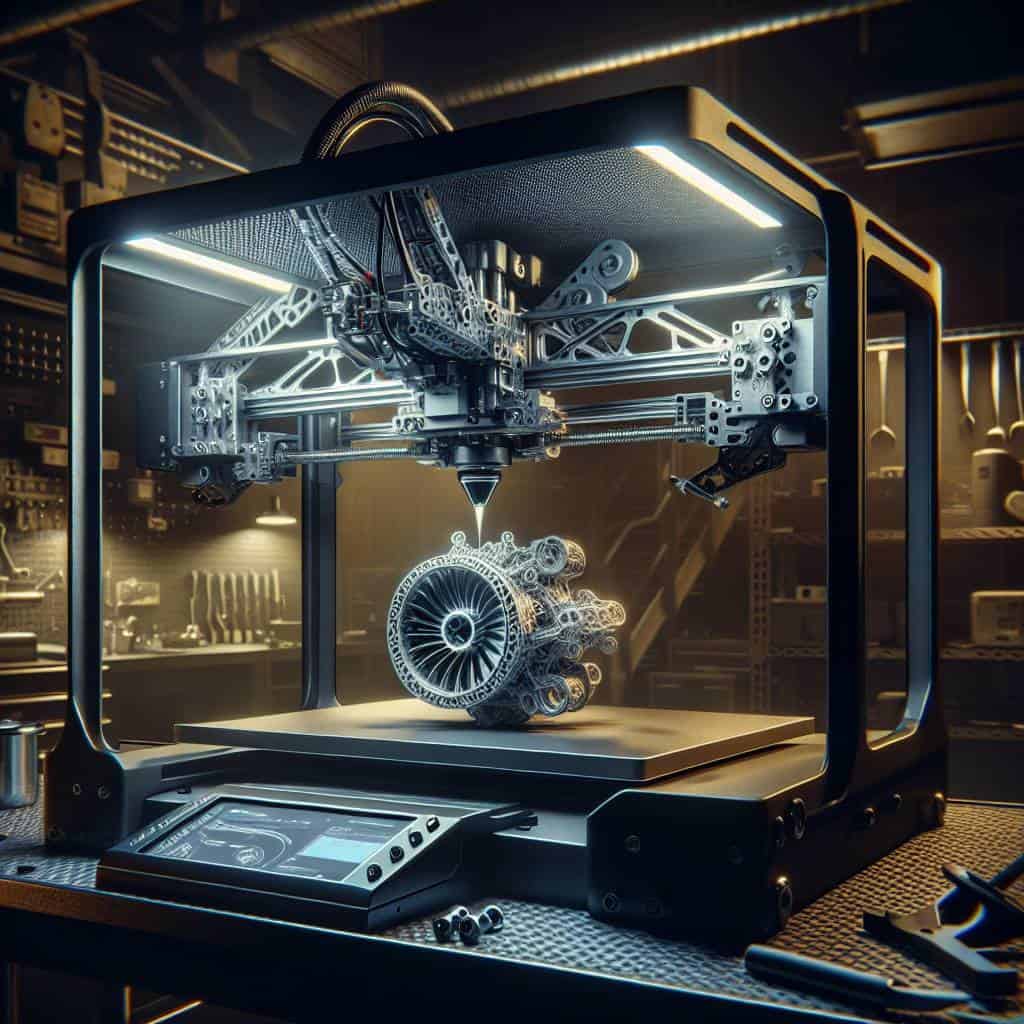
I once found myself in a dimly lit workshop, staring at a 3D printer that could have been the love child of a microwave and a spider. It was supposed to be printing an airplane part—a small, seemingly innocuous bracket—but what emerged looked more like a modern art piece gone wrong. I laughed at the absurdity of it all, the way you laugh when you’re in too deep and there’s no turning back. This was no ordinary failure; this was a glimpse into the chaotic beauty of innovation. In the world of aviation, where precision is life and death, the idea of a printer replacing skilled hands is both thrilling and terrifying.
But here’s the thing. Beneath my cynicism lies a begrudging respect for this technology. In this article, I’ll strip away the hype and lay bare the truths about 3D printing in aviation. We’ll explore how this tech is reshaping repairs, revolutionizing prototyping, and pushing the boundaries of what’s possible. It’s not all smooth flying—there are hurdles, skepticism, and the occasional printer-induced headache. But if you’re up for the ride, I’ll guide you through the skies of innovation, where every layer of printed material tells a story of human perseverance and audacity.
Table of Contents
When Prototyping Turned My Garage Into An Airplane Hangar
Imagine this: a once-normal garage, now a labyrinth of half-finished airfoil prototypes, tangled filament spools, and the omnipresent hum of 3D printers working overtime. All because one day, I decided that buying airplane parts was too mainstream. I had a better idea—I’d print them myself. It started innocently enough, with a small bracket here, a replacement knob there. But as any engineer will tell you, the allure of prototyping is hard to resist. Before I knew it, my garage had morphed into a misfit airplane hangar, where dreams of flight were literally taking shape, layer by layer.
Now, let’s not romanticize this too much. My garage wasn’t a serene workshop; it was a chaotic arena of trial and error. Repairs became a regular exercise in humility, where each failed print was a reminder that innovation isn’t always glamorous. It’s a battlefield, where the war is waged with CAD models and calibration settings. The printers, these steadfast soldiers, churned out parts that were both marvels and messes. Some fit perfectly, others—not so much. But therein lay the beauty of 3D printing: the power to iterate without the cost of custom tooling or extended lead times. Each flawed prototype was a stepping stone toward something remarkable.
In the end, turning my garage into an airplane hangar was more than a quirky side project. It was a testament to the relentless spirit of innovation. It’s about daring to redefine what’s possible by taking control of the process. And yes, my neighbors might have raised an eyebrow or two at the sight of makeshift wings peeking through the garage door. But for those of us driven by the unyielding quest for better, that garage wasn’t just a space—it was a launching pad for ideas that could, quite literally, take flight.
The Double-Edged Sword of Innovation
3D printing in aviation isn’t just a leap forward; it’s a paradox where we juggle groundbreaking repairs and the haunting specter of untested skies.
When Innovation Takes Flight
My journey with 3D printing for airplane parts has been nothing short of a turbulent flight—sometimes smooth, sometimes fraught with unexpected turbulence. This isn’t just about the mechanics of layering material into tangible components. It’s a dance with uncertainty, a symphony of trial and error that I’ve come to respect. Each prototype is a lesson learned, a story etched in plastic and metal. This isn’t just engineering; it’s a testament to human tenacity.
But here’s the real kicker: these experiences have reshaped how I view the world of repairs and innovation. I’ve witnessed the potential of 3D printing to transform not just airplane parts, but the very essence of how we approach challenges. It’s a reminder that sometimes, you have to dismantle the old ways to let new ideas take flight. And while I may not have all the answers, I’m more than ready to continue navigating this evolving landscape, one layer at a time.
