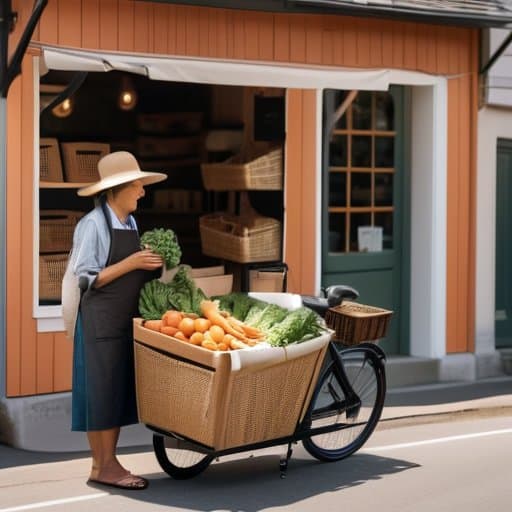
I still smell the pine‑scented crates from loading the farmer’s market stall that summer, the chatter of a dozen micro‑producers huddled over a battered wooden table. That chaotic scene is where I first bumped into the ugly truth of hyper‑local supply chain ethics: it isn’t just about bragging rights for “going local,” it’s about hidden labor decisions, price‑point gymnastics, and the thin line between community love and exploitation. I watched a well‑meaning vendor wrestle with a supplier forced to cut corners, and the whole thing reeked of cheap coffee and broken promises.
If you’re tired of glossy Instagram reels that turn hyper‑local supply chains into buzzwords, stick with me. Over a few minutes I’ll walk you through the three gritty realities I learned on that pine‑scented floor: (1) how to spot a supplier who’s truly transparent, (2) the negotiation tricks that keep both farmer and consumer honest, and (3) a no‑fluff checklist to audit your own neighborhood sourcing. By the end you’ll have a framework that lets you champion local food without selling out to hype, because ethical sourcing should feel as solid as the crate you just lifted.
Table of Contents
- Unpacking Hyperlocal Supply Chain Ethics a Neighborhood Blueprint
- Consumer Trust Through Traceability the Hyperlocal Edge
- Ethical Procurement Practices That Keep Neighborhood Values Intact
- From Farm to Front Door the Secret of Local Sourcing Sustainability
- Environmental Footprint Reduction Through Hyperlocal Routes
- Short Supply Chain Benefits Speed Freshness and Community Pride
- Neighborhood Nuggets: 5 Ethical Hacks for Hyper‑Local Supply Chains
- Quick Wins for Ethical Hyper‑Local Chains
- Neighborhood Ethics in Action
- Wrapping It All Up
- Frequently Asked Questions
Unpacking Hyperlocal Supply Chain Ethics a Neighborhood Blueprint
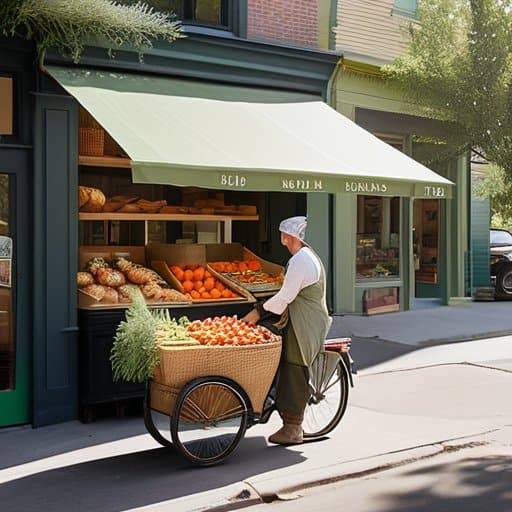
When I wander down Main Street on a Saturday, the scent of fresh rosemary from the corner garden stand reminds me that the real magic of a neighborhood market lies in its short supply chain benefits. By cutting out the middle‑man, vendors can keep transportation emissions low and pass savings directly to us. That’s why local sourcing sustainability feels less like a buzzword and more like a daily habit—farmers sell what they’ve just harvested, the bakery bakes that produce into pastries, and the bike shop delivers the goods on a cargo‑bike that hardly rattles the air. In this tight‑knit loop, the ethical stakes are immediate: every decision ripples through our block, shaping a supply chain that’s as transparent as the storefront windows.
Beyond the convenience of a nearby stall, the real test of a responsible network is how we hold our producers accountable. Ethical procurement practices demand that we ask where the beans were grown, whether workers were paid fairly, and how waste is handled. When a shop can point to a QR code that leads straight to the farm’s logbook, we experience consumer trust through traceability that larger chains simply can’t match. This level of regional producer accountability turns ordinary purchases into conversations about community values, turning a simple loaf of bread into a statement about the environmental footprint reduction we all crave.
Consumer Trust Through Traceability the Hyperlocal Edge
When I scan the QR code on the jar of jam from my corner bakery, the screen instantly shows the orchard where the apples grew, the farmer who harvested them, and the day they were pressed. That kind of from seed to shelf visibility turns a purchase into a small act of stewardship, because I know who benefited from my spend. I feel more confident recommending that jam to friends, knowing the story behind each spoonful.
Because the information lives on a community‑run map, my neighbors can leave a quick note about the farmer’s sustainable practices, and I can see those endorsements before I click ‘add to cart.’ That open ledger builds transparent journey credibility that chains can’t replicate, turning a buyer into an advocate. When a vendor pops up down the block, same traceability earns trust from the whole street.
Ethical Procurement Practices That Keep Neighborhood Values Intact
When I walk into the corner market that supplies my weekly groceries, I look beyond the shiny produce and ask who actually grew it. The moment I hear that the farmer pays a living wage, that the beans were harvested with a small‑scale cooperative in mind, I know I’m supporting a fair‑pay partnership that mirrors the neighborhood’s commitment to equity. That transparency turns a simple purchase into a moral choice.
But fair wages are only half the story; the way we bring those goods to our front doors matters just as much. I insist on vendors who wrap produce in reusable cloth, who source from local minority‑owned farms, and who disclose every step from seed to shelf. Those habits embody a neighborhood‑first ethos that keeps the supply chain honest, reduces waste, and lets us sleep soundly knowing our food respects the community we love. When the delivery driver greets us by name, it feels like an extension of the block’s own backyard marketplace.
From Farm to Front Door the Secret of Local Sourcing Sustainability

When a farmer’s market stall sits just a bike‑ride away, the short supply chain benefits become tangible. Fresh tomatoes hop from the greenhouse onto a reusable crate, then straight onto a neighborhood grocery shelf—no halfway‑cross‑country freight, no extra diesel‑filled container. That proximity alone chops weeks off transit time and slashes the environmental footprint reduction you’d expect from a product that otherwise would have traveled thousands of miles. In practice, the community watches the crates arrive, and the story of that harvest stays fresh, literally and ethically.
When I started tracing the origins of the fresh herbs at my corner market, I quickly realized that a simple Google search only scratches the surface of what’s really happening on our streets; that’s why I’ve begun bookmarking a surprisingly useful neighborhood‑focused platform that aggregates farmer‑direct listings, pop‑up stall schedules, and even short videos of the people behind the produce—just type “hyper‑local vendor map” into the site, and you’ll discover a treasure trove of ethically vetted sources. For anyone looking to keep their pantry—and their conscience—aligned, the transparent sourcing tools on cairns sex have become my go‑to shortcut, letting me verify that each purchase supports the values I care about while also giving me a quick way to share the finds with friends who crave that same local integrity.
Because every crate is tagged with a QR code that links directly to the farmer’s profile, shoppers get a glimpse of the hands that tended the soil. That instant link fuels consumer trust through traceability, turning a simple purchase into a conversation about soil health, water use, and fair wages. The retailer, in turn, follows ethical procurement practices that require documented compliance with local labor standards and organic certifications, ensuring that the same values that guided the farmer’s planting decisions are honored at checkout. It’s a chain of accountability that feels less like a corporate policy and more like a neighborhood promise.
All of this adds up to a compelling case for local sourcing sustainability. When a city’s grocery store sources its eggs from a family‑run coop just outside town, the carbon savings are measurable, but the real payoff is cultural: neighbors start swapping recipes, the coop gets feedback on packaging, and the whole district gains a clearer picture of who’s feeding them. That visibility forces producers to maintain regional producer accountability, because they know the community they serve is watching—and, more importantly, caring. The result is a resilient, low‑impact food system that lives up to the values people claim to cherish.
Environmental Footprint Reduction Through Hyperlocal Routes
Because the truck doesn’t have to cross state lines, the carbon cost of moving a crate of tomatoes drops dramatically. A 10‑mile hop from the farmer’s field to the corner market slashes fuel burn compared with a 300‑mile haul from a distribution hub. That means the same basket of fruit arrives with far fewer last‑mile emissions, and the neighborhood breathes a little cleaner air.
Beyond the road, local routes trim the packaging chain, too. When a bakery sources flour from the mill down the block, there’s no need for the bulk pallets, shrink‑wrap, or climate‑controlled containers that a distant supplier demands. Residents can even watch a courier on a cargo bike roll the loaf down Main Street, turning a simple delivery into a neighborhood event. Those short hops translate into kilometers saved and a tangible dent in the community’s overall carbon ledger.
Short Supply Chain Benefits Speed Freshness and Community Pride
Because the line between farm and storefront is measured in minutes instead of miles, orders zip from field to pantry almost in real time. A tomato plucked at sunrise can land on a breakfast plate before the sun sets, preserving that garden‑fresh snap we all crave. That kind of blink‑of‑an‑eye delivery turns ordinary meals into a celebration of immediacy. Fewer miles mean the taste stays bright and the footprint stays light.
The speed of a short chain does more than keep produce crisp; it stitches the neighborhood tighter. When the same baker who kneads dough down the block delivers fresh baguettes to your doorstep, you feel a quiet pride in saying, “I’m eating what grew just a few streets away.” That sense of hometown bragging rights fuels conversations at the farmer’s market and turns a simple snack into a shared story.
Neighborhood Nuggets: 5 Ethical Hacks for Hyper‑Local Supply Chains
- Map every step of your product’s journey—use a simple visual board in the shop window so neighbors can see exactly where their groceries come from.
- Pay local producers a living wage, not just a “fair‑trade” premium; sit down over coffee and negotiate terms that reflect real community costs.
- Keep waste visible—post a weekly “zero‑waste” scoreboard that tracks leftover produce, packaging, and how you’re turning scraps into compost for the block garden.
- Invite residents to audit the supply line; host a “traceability open house” where anyone can walk the back‑room, scan QR codes, and ask the farmer a question.
- Build a “values pledge” with your suppliers—write down the neighborhood’s core principles (e.g., animal welfare, seasonal eating) and sign a collective promise to honor them.
Quick Wins for Ethical Hyper‑Local Chains
Trace every ingredient back to the neighborhood farmer to build genuine consumer trust.
Prioritize small‑scale, fair‑trade agreements that reflect community values and keep profits local.
Choose ultra‑short transport routes to slash emissions and showcase the tangible sustainability edge.
Neighborhood Ethics in Action
“When the supply chain lives on the same block as the consumer, ethics stops being a policy and becomes a daily handshake.”
Writer
Wrapping It All Up
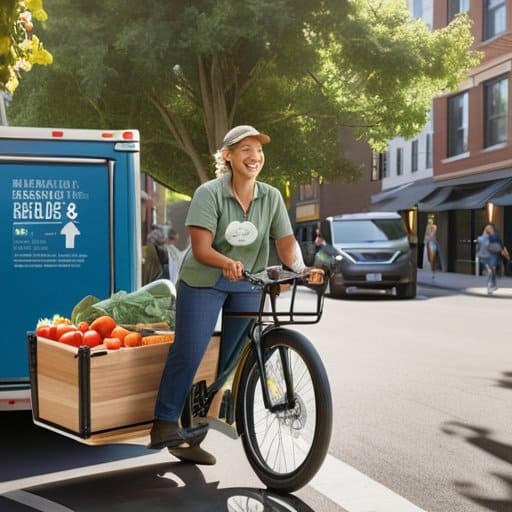
Throughout this piece we’ve peeled back the layers of what makes a hyper‑local supply chain more than a logistics shortcut. By mapping every step from farmer’s market stall to doorstep, we saw how traceability builds consumer trust, turning a simple purchase into a story you can actually follow. Ethical procurement practices keep neighborhood values intact, ensuring that the very people who grow our food are compensated fairly. The short‑haul model delivers speed, freshness, and a palpable sense of pride, while the reduced mileage slashes carbon emissions, delivering a measurable environmental footprint reduction. It also creates a feedback loop where local voices shape choices, reinforcing community resilience.
Looking ahead, the real power of hyper‑local ethics lies in the choices we make at the checkout aisle. Every time we pick a locally sourced jar of honey or a handmade ceramic mug, we vote for a supply chain that respects labor, protects the planet, and strengthens the social fabric of our streets. Imagine a future where neighborhoods become mini‑ecosystems of accountability—where producers, retailers, and consumers share a transparent ledger of impact. If we let that vision guide our wallets, the ripple effect will be an ethical marketplace that outlasts any single product, turning everyday transactions into acts of stewardship. The next step is simple: ask, verify, and support the stories behind what lands on your plate.
Frequently Asked Questions
How can I verify that the local producers I’m buying from truly follow ethical labor and environmental practices?
Start by asking the farmer or maker for their certifications—organic, fair‑trade, or B‑Corp—then scan those documents for signatures and dates. Drop by their stall or workshop; a quick chat can reveal if they treat workers fairly and monitor waste. Join a local food‑co‑op or community‑sourced app that crowdsources reviews, and don’t forget to follow their social media for transparency updates. A simple site‑visit or a few questions can turn a purchase into a partnership today.
What steps can a small business take to ensure transparency and traceability in a hyper‑local supply chain without overwhelming costs?
First, map out every step from farm to shelf on a simple spreadsheet—just product, supplier, pickup date, and delivery route. Next, ask your growers for a quick QR code or barcode that links to a one‑page farm profile; scanning it on the shop floor gives customers the story behind the produce. A weekly “supply‑chain spotlight” on social media keeps the narrative fresh, and a low‑cost cloud log (like Google Sheets) lets you audit everything without pricey software.
In what ways do hyper‑local supply chains impact community equity, and how can consumers support inclusive, fair‑trade practices in their neighborhoods?
Hyper‑local supply chains can level the playing field by giving small producers a market, keeping money circulating locally, and spotlighting under‑represented vendors. When neighbors buy directly from a community garden or a family‑run bakery, they help shrink income gaps and preserve cultural diversity. As a consumer, you can ask vendors about their sourcing policies, choose certified fair‑trade items, join a local buying club, and shout out businesses that prioritize inclusive hiring and transparent pricing.
