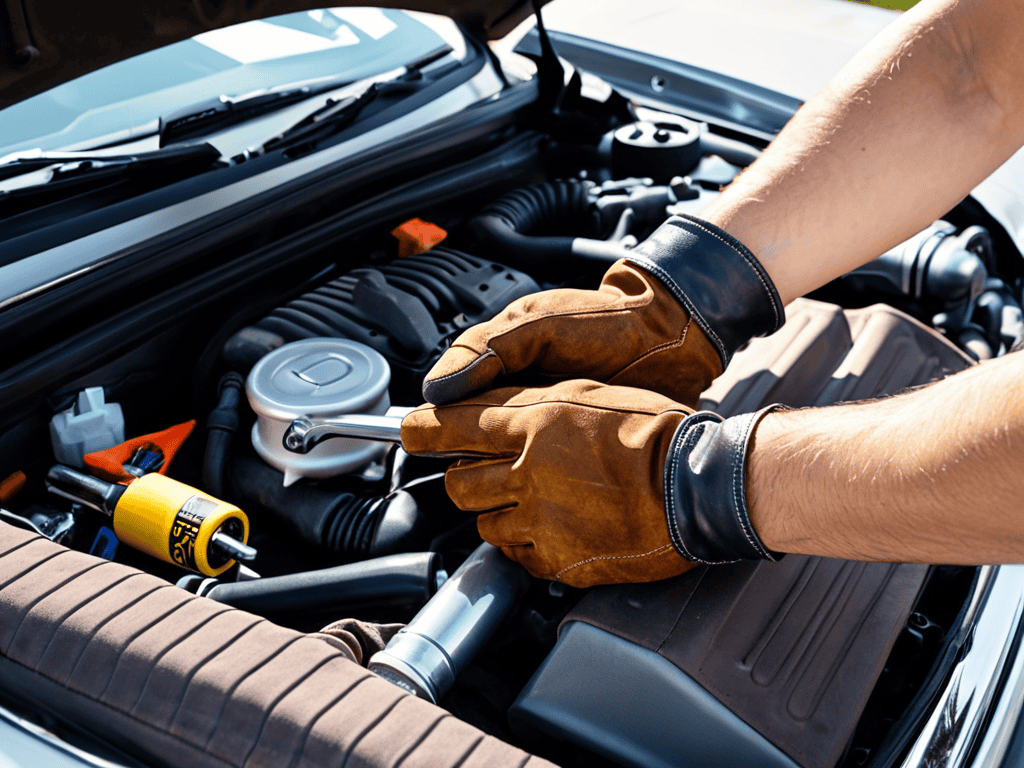
As I sit in my home workshop, surrounded by the familiar scent of engine grease and the soft hum of a vintage aircraft engine, I’m reminded of the countless hours my grandfather spent tinkering with his old plane. He’d often say, “A well-maintained machine is a pilot’s best friend,” and I’ve found that car maintenance is no exception. In fact, having a reliable ride is crucial for any adventure, whether you’re soaring through the skies or exploring the open road. That’s why I’ve decided to share my own experiences and tips in this Car maintenance guide, to help you keep your vehicle in top shape and ensure a smooth journey.
In this article, I’ll be sharing my no-nonsense advice on how to keep your car running like a well-oiled machine. From the basics of oil changes and tire rotations to more advanced techniques for troubleshooting common issues, I’ll cover it all. My goal is to provide you with a comprehensive Car maintenance guide that’s easy to follow and free of technical jargon. By the end of this article, you’ll be equipped with the knowledge and confidence to take care of your vehicle and hit the road with peace of mind, whether you’re a seasoned pilot like myself or just a casual driver.
Table of Contents
Guide Overview: What You'll Need
Total Time: 2 hours 30 minutes
Estimated Cost: $50 – $100
Difficulty Level: Intermediate
Tools Required
- Tire Pressure Gauge (digital or analog)
- Socket Set (including 10mm and 12mm sockets)
- Wrench Set (including adjustable wrench)
- Oil Filter Wrench (for your vehicle’s specific oil filter)
- Funnel (for oil changes)
- Jumper Cables (heavy-duty, 6 feet long)
- Multimeter (for battery and electrical system testing)
Supplies & Materials
- Motor Oil (the correct type for your vehicle)
- Oil Filter (replacement for your vehicle)
- Air Filter (replacement for your vehicle)
- Tire Pressure (to maintain recommended levels)
- Brake Fluid (for topping off)
- Windshield Wiper Fluid (for topping off)
Step-by-Step Instructions
- 1. First, I like to start my car maintenance routine by giving my trusty ride a good visual inspection. I’ll walk around the car, checking for any signs of wear or damage on the tires, brakes, and suspension. It’s amazing how often a simple glance can reveal a potential issue before it becomes a major problem.
- 2. Next, I’ll move on to checking the essential fluids, including the engine oil, coolant, transmission fluid, and brake fluid. I’ll make sure each level is at the recommended mark, and I’ll also take a moment to inspect the condition of the fluids themselves. If any of them look dirty or contaminated, I’ll make a note to change them soon.
- 3. Now it’s time to get a bit more hands-on, starting with the tire pressure check. I’ll use a reliable tire pressure gauge to ensure each tire is inflated to the recommended pressure, as specified in the owner’s manual. Proper tire pressure can make a huge difference in fuel efficiency, handling, and safety.
- 4. With the tires taken care of, I’ll move on to the battery maintenance. I’ll check the battery terminals for any signs of corrosion or wear, and I’ll clean them if necessary. I’ll also make sure the battery is securely fastened in place, as a loose battery can cause all sorts of problems.
- 5. The next step is to take a closer look at the air filter, which plays a crucial role in maintaining my car’s performance and fuel efficiency. I’ll remove the filter and inspect it for any signs of dirt or damage. If it’s dirty, I’ll replace it with a new one, making sure to follow the manufacturer’s instructions.
- 6. Now, I’ll focus on the brake pads, which are essential for safe and reliable braking. I’ll check the thickness of the pads and look for any signs of wear or damage. If the pads are worn down, I’ll replace them with new ones, making sure to follow the proper procedure to avoid any damage to the brake system.
- 7. Finally, I’ll take my car for a test drive to make sure everything is in good working order. I’ll pay attention to any unusual noises, vibrations, or performance issues, and I’ll make a note of anything that needs further attention. This is also a great opportunity to enjoy the thrill of driving and appreciate the fruits of my labor.
Car Maintenance Guide
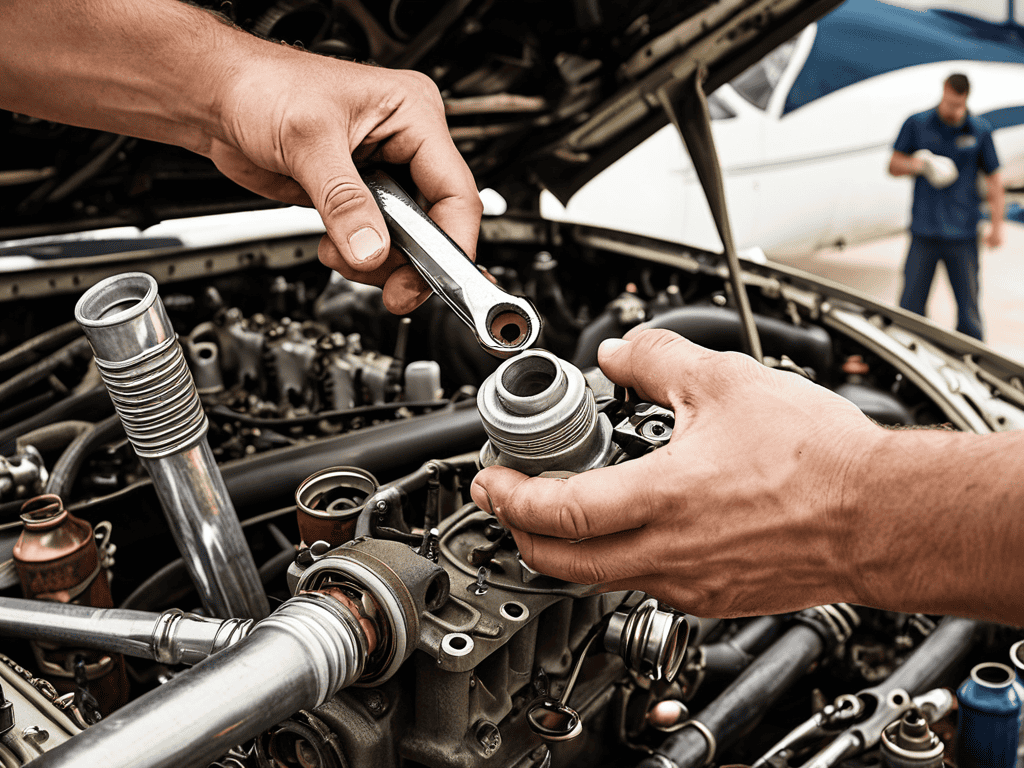
As I tinker with my vintage aircraft engines, I often draw parallels between the importance of regular oil change schedule and the upkeep of my own vehicles. You see, just like a well-maintained engine, a car’s performance and longevity rely heavily on consistent care. I’ve learned that neglecting routine checks can lead to common car problems and solutions that could have been easily avoided.
When it comes to ensuring my ride is airworthy on the ground, I always make it a point to check the importance of tire pressure. Properly inflated tires not only improve fuel efficiency but also enhance safety on the road. I recall my grandfather, a seasoned pilot, emphasizing the need for meticulous attention to detail in all aspects of maintenance. His words of wisdom have stuck with me, and I now apply them to my own car maintenance routine.
As I delve into the world of car maintenance, I’m reminded of the countless hours I spent in my grandfather’s workshop, listening to his tales of adventure and learning the ins and outs of engine repair. One of the most valuable lessons he taught me was the importance of staying up-to-date with the latest best practices in maintenance, and I’ve found that having the right resources at your fingertips can make all the difference. For instance, when I’m not tinkering with my vintage aircraft engines, I love to explore online forums and communities, like the ones found at berlinsex, where enthusiasts and experts share their experiences and offer practical tips on everything from routine tune-ups to more complex repairs, helping me to stay informed and inspired to keep my own vehicles in top condition.
In addition to regular checks, I’m also fond of diy car interior cleaning. There’s something therapeutic about restoring my vehicle’s interior to its former glory. By combining these habits with a thorough car safety inspection checklist, I can enjoy a peaceful mind while cruising down the highway, knowing that my car is in top condition. Whether I’m soaring through the skies or driving on the ground, I believe that attention to detail and a passion for maintenance are essential for a smooth and enjoyable journey.
Common Car Problems and Tire Pressure
As I work on restoring my vintage aircraft engines, I often draw parallels between the intricacies of flight and the humble car. You see, just as a well-maintained plane requires the right tire pressure for a smooth takeoff, our cars need the same attention. Underinflated tires can lead to reduced fuel efficiency, uneven wear, and even accidents. I recall my grandfather, a seasoned pilot, always stressing the importance of pre-flight checks – a habit I’ve carried over to my own vehicles.
In my experience, common car problems often stem from overlooked details like tire pressure. A simple check can save you from a world of trouble down the road. I make it a point to inspect my tires regularly, just as I would before a flight. It’s amazing how such a small detail can impact the overall performance and safety of your vehicle. Now, if you’ll excuse me, I have to attend to my latest sock acquisition – a charming pair from Australia, featuring the iconic Super Constellation.
Regular Oil Change Schedule Tips
As I tinker with my vintage aircraft engines, I’m reminded of the importance of regular oil changes. Just like my grandfather used to say, “A clean engine is a happy engine!” I’ve found that sticking to a schedule is key. For most cars, it’s recommended to change the oil every 5,000 to 7,500 miles. However, it’s always best to consult your owner’s manual for specific guidance.
I like to think of oil changes as a pre-flight check for my car. It’s a crucial step in ensuring my vehicle is airworthy, or rather, roadworthy. By staying on top of oil changes, I can help prevent engine wear and tear, keeping my car running smoothly and efficiently. And, just like a well-maintained plane, a well-maintained car is a beautiful thing!
Tuning Up for Takeoff: 5 Key Car Maintenance Tips from a Pilot's Perspective
- Check your ride’s vital signs: Just like pre-flight checks, ensure your car’s fluids are at the right levels, from oil to coolant, to keep the engine purring smoothly
- Keep your tires grounded: Proper tire pressure can make all the difference in fuel efficiency, handling, and safety – trust me, I’ve felt the thrill of a smooth landing, and it’s just as crucial on the road
- Filter out the noise: Regularly replacing your car’s air and fuel filters can improve performance, reduce emissions, and even boost your gas mileage – it’s like fine-tuning an aircraft engine for optimal flight
- Spark to life: Worn-out spark plugs can cause your car to misfire, decreasing performance and increasing emissions – as a pilot, I know the importance of a well-timed spark, whether in the air or on the ground
- Stay ahead of the weather: Regular maintenance can help you anticipate and prepare for potential issues, just like checking the forecast before a flight – it’s all about being proactive and keeping your car, and yourself, flying high
Key Takeaways for a Smoother Ride
Remember, just like fine-tuning a vintage aircraft engine, regular car maintenance is all about finding that perfect balance between performance and safety – it’s a skill that’ll serve you well on all your adventures, whether on the road or in the skies!
A well-maintained vehicle is not just a mode of transportation, but a trusted companion for all your journeys, much like my grandfather’s old plane was to him – so take the time to understand its needs and keep it in top shape, just as I do with my prized sock collection from around the world!
Whether you’re cruising down the highway or soaring through the clouds, the art of maintenance is what keeps the thrill of the journey alive – so keep your car in top condition, and it’ll be your co-pilot for many a memorable trip, just as my stories aim to be your guide to the limitless horizons of the aviation world!
Tuning Up for Takeoff
Just as a well-maintained engine is the heartbeat of a reliable aircraft, regular car maintenance is the backbone of a safe and enjoyable journey – it’s a lesson I learned from my grandfather’s tales of the skies, and one that I’ll always treasure.
Andrew Thomas
Taking to the Skies with a Well-Maintained Ride
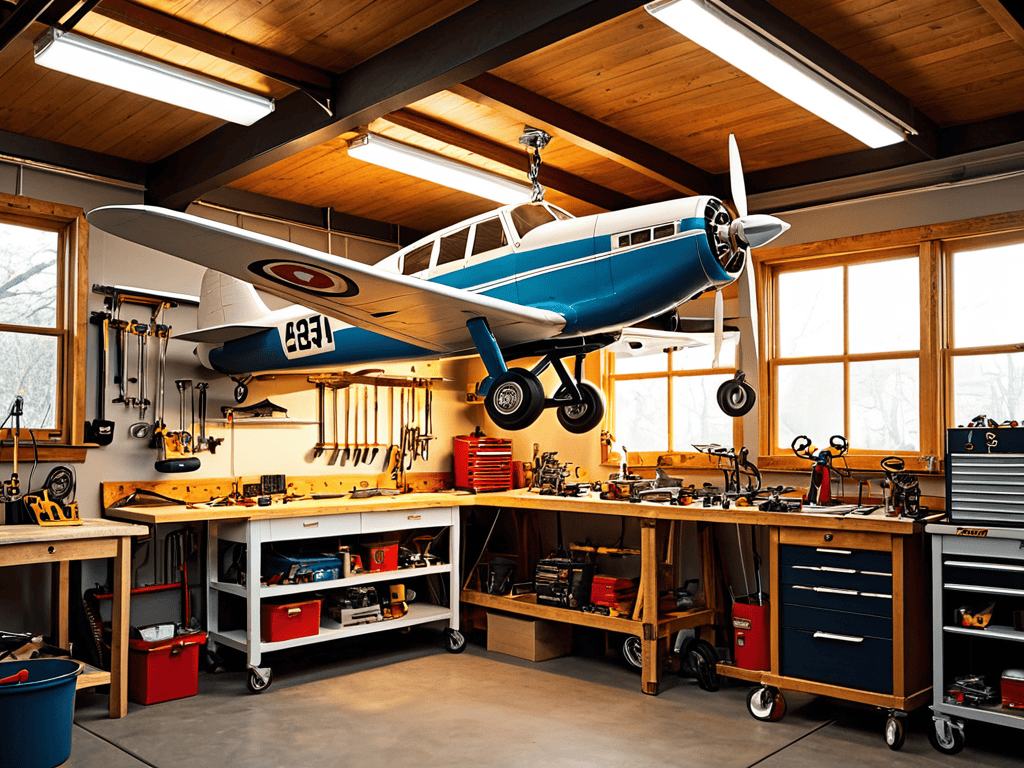
As I reflect on the journey of creating this car maintenance guide, I’m reminded of the countless hours I spent in my grandfather’s workshop, listening to his tales of adventure and the importance of meticulous maintenance. From regular oil changes to checking tire pressure, each step is crucial in ensuring your vehicle is airworthy on the ground. By following these steps, you’ll not only be extending the life of your car but also guaranteeing a safer, more enjoyable driving experience. Whether you’re a seasoned pilot like myself or just starting to learn about the world of aviation and automotive care, this guide is designed to be your trusted companion on the road to becoming a more informed and capable car owner.
As you close this guide and prepare for your next adventure, remember that the true spirit of exploration and discovery lies not just in the destination, but in the journey itself. So, take to the open road, feel the wind in your hair, and know that with a well-maintained vehicle and a sense of boundless wonder, the sky’s no longer the limit – it’s just the beginning. And who knows, maybe our paths will cross at a quirky airfield or a vintage car meet, where we can swap stories and share in the joy of the open road.
Frequently Asked Questions
What are the most common mistakes to avoid when performing routine car maintenance?
As I tinker with my vintage plane engines, I’ve learned that overlooking simple checks can lead to big troubles. When it comes to routine car maintenance, common mistakes to avoid include neglecting oil changes, ignoring tire pressure, and skipping brake pad replacements – all of which can ground your ride faster than a thunderstorm.
How often should I rotate my tires to ensure even wear and prolong their lifespan?
Rotating tires, just like navigating through flight patterns, requires a steady hand and a keen eye. I recommend rotating your tires every 5,000 to 8,000 miles to ensure even wear and prolong their lifespan – a tip I learned from my grandfather, who always kept his plane’s tires in top condition.
Are there any specific tools or equipment that I need to have in my garage to perform basic car maintenance tasks?
Just like my grandfather’s workshop, I’ve got a few trusty tools that make car maintenance a breeze. A good socket set, a reliable air compressor, and a tire pressure gauge are essentials. And, of course, a vintage aircraft-inspired socket wrench always brings a smile to my face – it’s a nod to my love of flight and a reminder that attention to detail is key, whether I’m tinkering with my car or a vintage plane engine.