I remember the first time I put my faith in an aviation weather app. There I was, at 30,000 feet, clutching my armrest like it was the last lifeboat on the Titanic. The app assured me of smooth skies, but the reality? A symphony of turbulence that turned my stomach into a roller coaster. It felt like trusting a weather report from a cat with a crystal ball. I realized then that many of these apps are more about reassuring anxious flyers than delivering hard, unvarnished truth. They promise precision in an arena where certainty is as elusive as a unicorn in a thunderstorm.
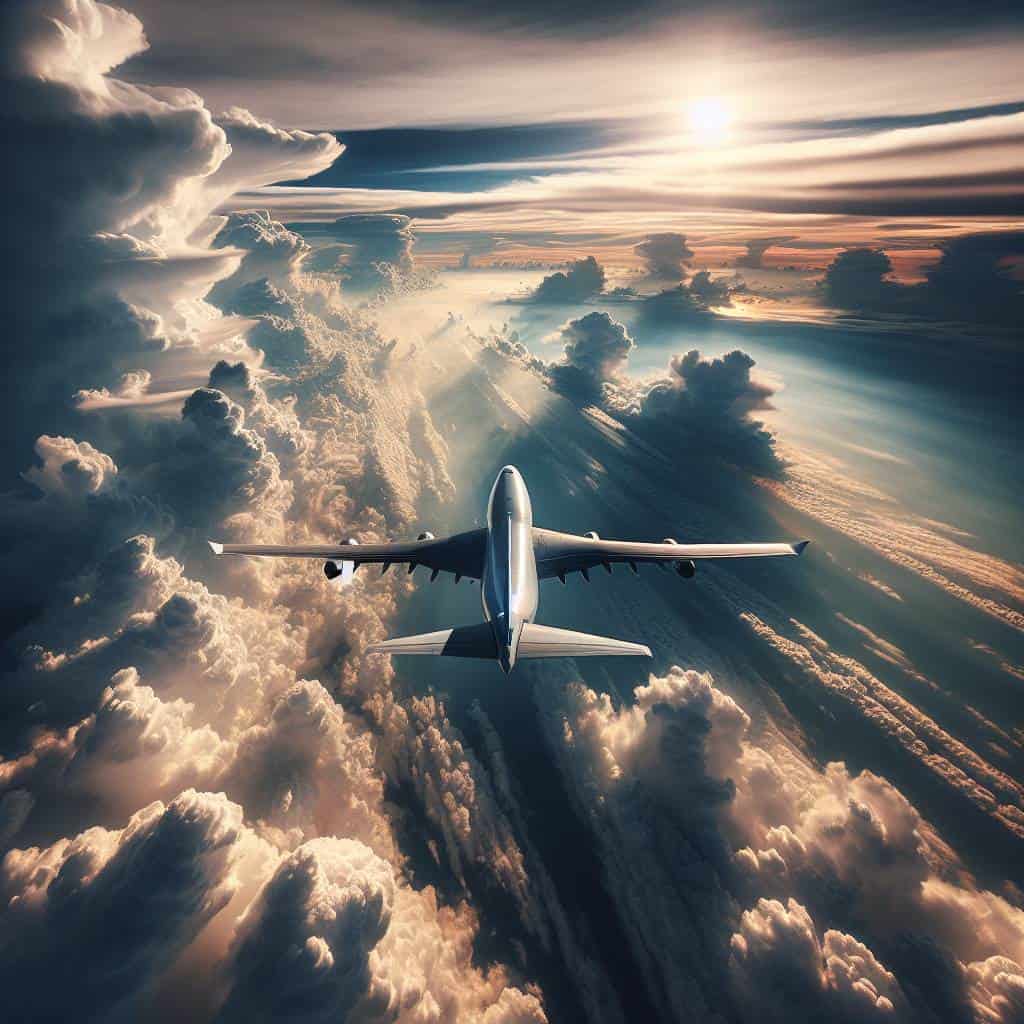
But I digress. You’re here because you’re tired of the smoke and mirrors, the digital sleight of hand. You want to know which of these apps actually delivers when it comes to turbulence updates and forecasts. Stick with me, and we’ll navigate through the storm of misinformation, separating the useful tools from the digital snake oil. I’ll dissect the hype, challenge the conventional wisdom, and offer insights that might just keep you from bracing for imaginary impacts on your next flight.
Table of Contents
When Forecasts Fail: My Rollercoaster Ride With Aviation Weather Apps
Imagine you’re strapped into a high-speed rollercoaster, the kind that twists your stomach into knots and leaves your head spinning. That’s exactly how it feels when you’re at the mercy of aviation weather apps. I’ve had my share of experiences where these apps promised smooth skies, only to find myself gripping the armrests as the plane plummeted through unexpected turbulence. It’s like they’re whispering sweet nothings, serenading you with promises of flawless forecasts, only to pull the rug out from under you when you least expect it.
Let’s cut to the chase: these apps are not the omnipotent oracles they claim to be. Sure, they dish out glossy updates and flashy radar images, but when it comes to real-time accuracy, they fumble. The problem isn’t just the clunky user interfaces or the constant pinging of updates that seem to contradict each other by the minute. It’s the fact that they’re built on algorithms struggling to keep pace with the chaotic whims of Mother Nature. I’ve lost count of the times I’ve boarded a flight with a forecast of clear skies, only to be tossed around like a ragdoll in a washing machine. It’s like trusting a featherweight fighter to go toe-to-toe with a heavyweight champion—and we all know how that ends.
So what’s the takeaway here? Don’t buy into the illusion of certainty these apps are peddling. Their forecasts are often as volatile as the weather they’re trying to predict. Instead, arm yourself with a healthy dose of skepticism. Question every update, and remember that sometimes, even the most sophisticated technology can lead you astray. Embrace the unpredictability, because at the end of the day, that’s the only forecast you can truly rely on.
Forecasting the Unforeseeable
Aviation weather apps are like trying to predict a storm with a windsock—sometimes they catch the wind, but more often they just sway in its uncertainty.
The Sky’s Limitless Lessons
In the end, my saga with aviation weather apps has taught me more about the human condition than the skies themselves. It’s a humbling reminder that in our pursuit of control, we often end up tangled in the very uncertainty we sought to avoid. These apps, with their flashes of insight and frustrating inaccuracies, mirror our own aspirations and shortfalls. They highlight the dance between chaos and order that defines both the atmosphere and our lives.
So, as I navigate this digital age of forecasts and updates, I find a strange comfort in embracing the unpredictability. It’s a nod to the reality that not every storm can be charted, nor every journey planned with precision. In a world obsessed with certainty, perhaps it’s the turbulence—the unexpected shifts—that truly keep us grounded, reminding us to look up and appreciate the vast, untamed sky above. After all, isn’t it the unpredictability that makes the journey worth taking?
