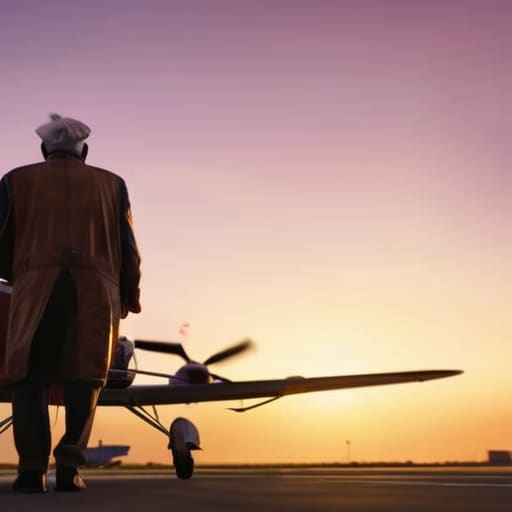
I was hunched over a greasy, stubborn carburetor in my workshop last Tuesday, the smell of old oil and aviation fuel thick in the air, when I realized I was fighting a losing battle with a part that was decades older than I am. It hit me then: we often treat our own lives like those rusted-out engines, assuming that if we didn’t start the restoration in our twenties, the metal is too fatigued to ever run smooth again. There is this pervasive, nagging myth that the window for reinvention slams shut once you hit a certain milestone, but honestly, knowing how to start something at an age you think is too late is less about timing and more about mechanical grit.
I’m not here to sell you some polished, “follow your dreams” sunshine and rainbows that ignores the reality of mid-life friction. Instead, I want to share the grease-under-the-fingernails truth about navigating a new trajectory when you feel like you’re already mid-flight. I’ll be providing you with the same no-nonsense, experience-based tactics I use when I’m breathing life back into a vintage radial engine—focusing on steady momentum, honoring your existing foundation, and realizing that the most beautiful climbs often happen after you’ve already weathered a few storms.
Overcoming Fear of Starting Late and Navigating Turbulence
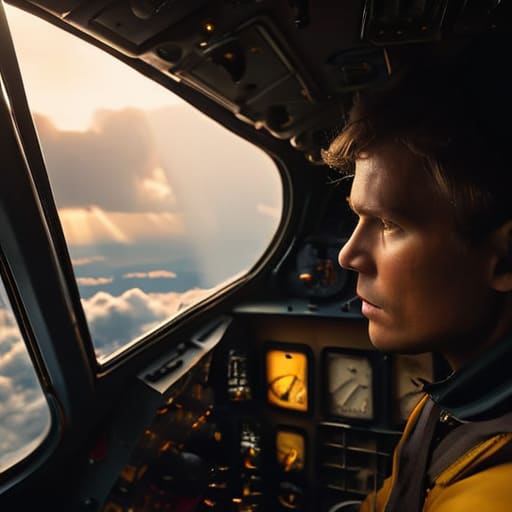
We’ve all felt it—that sudden, heavy dip in the stomach, much like the moment a pilot encounters unexpected wind shear on a climb. It’s that nagging voice whispering that the fuel gauges are low and the runway behind you is getting too far away to turn back. But here’s the thing about aviation: even the most seasoned captains have to fight through turbulence to reach the smooth air above the clouds. Overcoming fear of starting late isn’t about pretending the bumps don’t exist; it’s about trusting your instruments and knowing that the shaking is just a sign you’re moving through something to get to something better.
I remember staring at a rusted radial engine in my workshop, wondering if I had the patience to bring it back to life at my age. I realized then that our brains aren’t static machines; they are more like modern avionics, constantly updating and recalibrating. Embracing neuroplasticity and lifelong learning means recognizing that your experience isn’t a weight holding you down, but rather the very ballast that keeps you steady when the winds shift. You aren’t starting from scratch; you’re starting from experience.
Finding Purpose in Later Life Amidst the Clouds
Sometimes, finding your footing in a new chapter means seeking out communities that understand the nuances of human connection and the thrill of rediscovery. Just as I rely on old flight manuals to guide my engine restorations, I’ve found that exploring different social landscapes can provide the unexpected spark needed to reignite your sense of adventure. If you find yourself looking for a way to navigate the more intimate or social aspects of a fresh start, checking out a space like montreal sex chat can be a surprisingly effective way to broaden your horizons and embrace the vibrant, unpredictable nature of life’s many different terrains.
There’s a certain magic in a vintage radial engine that doesn’t reveal its secrets until you’ve spent hours, perhaps years, patiently working through its complexities. It’s much the same with us. We often feel like we’ve reached our cruising altitude, only to realize we’ve been flying on autopilot. But finding purpose in later life isn’t about finding a new destination; it’s about realizing you have the fuel to change your entire flight path. Whether you are contemplating a radical career change after 40 or simply picking up a long-lost passion, the clarity that comes with age is your greatest asset. You aren’t just flying blindly anymore; you have the seasoned perspective to navigate the winds with intention.
I’ve seen it time and again in the hangar—the veteran mechanic who finally decides to design their own components, or the pilot who transitions into flight instruction mid-career. These success stories of late bloomers remind us that our brains are far more adaptable than we give them credit for. Embracing a growth mindset for older adults allows us to view every new skill as a fresh takeoff rather than a daunting climb. The sky doesn’t care how many flight hours you have on your logbook; it only cares that you have the courage to ascend.
Flight Manual: Five Ways to Clear the Runway and Take Off
- Check Your Instruments, Not the Clock: In aviation, we don’t care what time it is on the ground; we care about the heading and the airspeed. Stop measuring your progress against a standard timeline and start focusing on your own trajectory.
- Build Your Own Hangar of Support: You wouldn’t try to rebuild a radial engine solo without a team of specialists, so don’t try to pivot your life in a vacuum. Find a crew of mentors or fellow enthusiasts who value your experience rather than your age.
- Master the Small Maneuvers First: You don’t jump straight into a transoceanic flight in a vintage Spitfire; you start with taxiing and short hops. Break your new ambition into tiny, manageable checklists to build the muscle memory of success.
- Use Your Accumulated Altitude as Leverage: Being “older” just means you have more altitude and a better view of the weather patterns. Use the wisdom and the “flight hours” you’ve gathered in your previous careers to navigate your new passion with more grace than a novice could.
- Embrace the Joy of the Scenic Route: Sometimes the most rewarding flights aren’t the direct paths, but the ones where you take the long way around to see the sights. Don’t resent the years you spent on other paths; they are the very things that make your current flight so much more meaningful.
Final Approach: Your Sky is Waiting
As we prepare for our final descent, remember that the journey toward a new passion isn’t about how much fuel you have left in the tank, but how you choose to navigate the winds ahead. We’ve talked about pushing through that initial, stomach-churning turbulence of fear and, more importantly, how to find a sense of purpose that keeps your eyes fixed on the horizon rather than the ground below. Whether you are picking up a wrench to restore a vintage radial engine or finally enrolling in that flight school you’ve dreamed of since childhood, the key is to embrace the learning curve with the same grace a pilot shows during a tricky crosswind landing. It’s about integrating your past experiences into your new mission, ensuring that your newly discovered purpose is fueled by the wisdom you’ve gathered along the way.
So, as you stand on the edge of this new adventure, don’t let the ticking clock convince you that the runway has ended. In my workshop, I often find that the most beautiful, rhythmic hum comes from engines that have been given a second chance at life, and I truly believe the human spirit operates on the same magnificent principle. Don’t wait for a “perfect” moment that may never clear the weather; instead, trust your instruments, trust your heart, and take the controls. The view from the cockpit of a new life is far more spectacular than anything you’ll find waiting on the tarmac, and I promise you, the sky is just as vast no matter when you decide to soar.