Flying should come with a disclaimer: “Prepare for the unexpected.” I remember boarding a flight where the cabin layout resembled a Picasso painting—abstract and slightly unsettling. Seats faced every direction but forward, and I swear, one was suspended from the ceiling like a trapeze. I sat there, clutching my seatbelt like a lifeline, wondering if this was some avant-garde art installation or just another airline’s attempt to redefine discomfort. It was a reminder that when airlines boast about “innovative design,” they often mean, “Let’s see how confused we can make you.
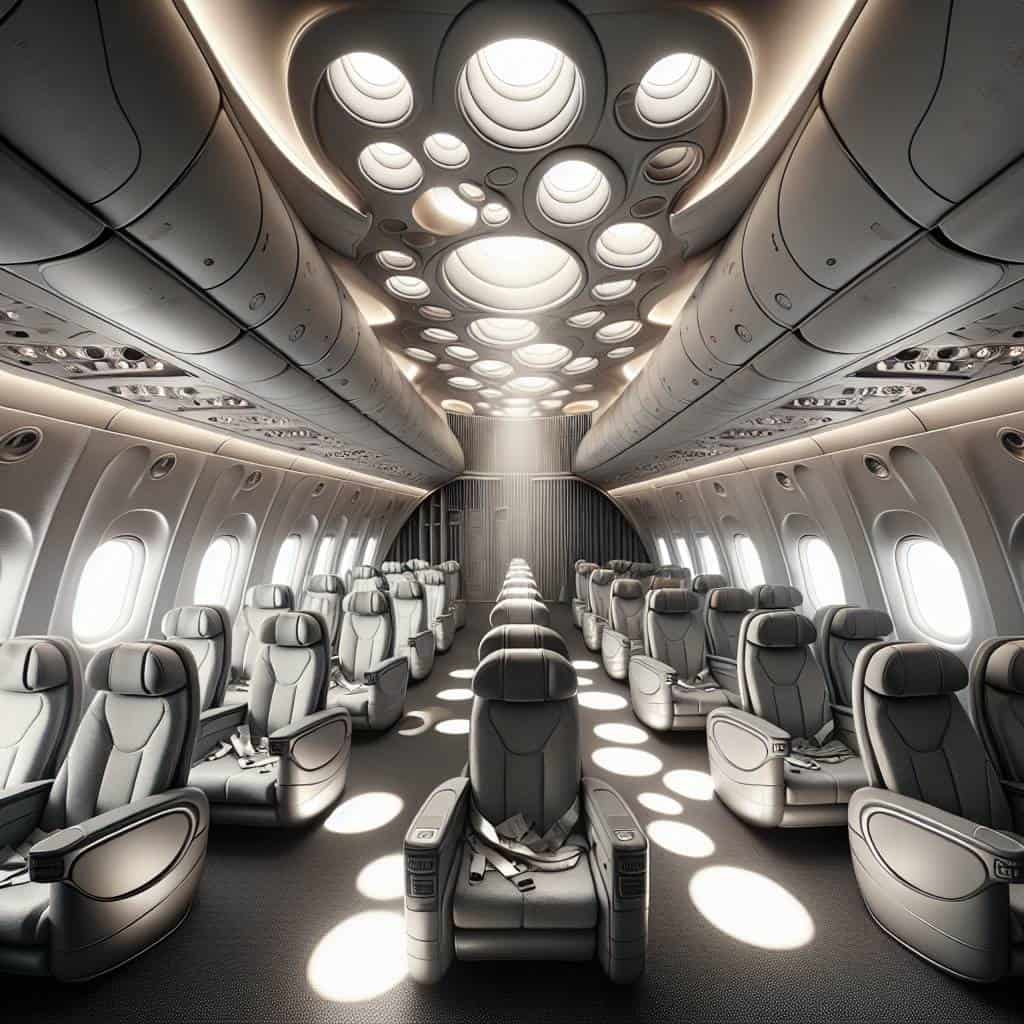
So, why should you care about these bizarre cabin layouts? Because buried beneath the chaos lies a story of comfort, innovation, and design that could reshape how we think about flying—or at least how we endure it. In this article, I’ll dissect the madness, exploring the good, the bad, and the downright peculiar. Expect a no-nonsense look at how these designs aim to revolutionize air travel, or at least make it slightly more bearable. Buckle up.
Table of Contents
An Introduction to unusual airplane cabin layouts
When was the last time you boarded a plane and thought, “Wow, this feels revolutionary”? Yeah, me neither. But there’s a quiet revolution happening above 30,000 feet, and it’s not just about adding an extra inch of legroom. We’re talking about cabin layouts that challenge the status quo—designs that take the flying tin can experience and turn it on its head. These aren’t just blueprints drawn up by dreamers; they’re calculated moves by engineers who know the only way to make flying better is to redefine what ‘better’ means.
Let’s face it, the traditional airplane cabin is a relic. Rows upon rows of cramped seats, a narrow aisle to shuffle through, and overhead bins that mock you with their limited space. But what if I told you some airlines are experimenting with layouts as if they’re the Da Vinci of the skies? Picture this: staggered seating for privacy, cabins with modular designs that can morph based on passenger needs, and even standing seats for those short hops. It’s as if they’re saying, “We know you’re miserable, but perhaps this avant-garde approach will make you feel a little less like cattle.
And sure, innovation isn’t synonymous with comfort. Sometimes, it’s about shaking things up for the sake of progress. But what if these unusual layouts actually make the journey less of a chore? The beauty is in the details—like angled seats that give you a semblance of personal space or communal areas for a mid-flight stretch. It’s not just about aesthetics; it’s about function meeting form in a way that’s unapologetically bold. So next time you find yourself on one of these flights, remember: you’re witnessing a slice of the future, where the aim is to make the skies a bit friendlier—or at least a tad more interesting.
Key Considerations and Final Thoughts
When it comes to unusual airplane cabin layouts, there are a few key considerations that we can’t overlook. First, let’s talk about comfort—or the illusion of it. Airlines are twisting themselves into pretzels trying to convince us that a slightly reclined seat and an extra inch of legroom equate to luxury. But what really matters is how these designs impact our experience in the sky. Does the new layout give you enough space to breathe without feeling like a sardine in a tin can? Does it allow you a moment’s respite from the chaos of air travel? These are the questions that should shape design, not just aesthetics or gimmicky features.
Innovation is another big player in this game. It’s a buzzword tossed around like candy, but innovation without purpose is just noise. Airplane cabins need to be more than just visually striking. They should solve real problems, like reducing noise or improving air quality, because innovation should be about elevating the human experience, not just slapping a futuristic veneer on the same old discomfort. And while we’re at it, let’s talk about design. True design isn’t just about style—it’s about function and form working in harmony to create something greater than the sum of its parts. So, as airlines roll out these new layouts, let’s hope they’re not just putting lipstick on a pig but are genuinely striving to make flying less of a chore and more of a journey worth taking.
In the end, the final thoughts are simple: Don’t be swayed by pretty pictures in marketing brochures. Demand more. The next time you find yourself boarding a flight, ask yourself if these changes make you feel more like a human and less like cargo. Because at the heart of it, that’s what these innovations should be about—making sure that we, the passengers, are not just along for the ride but are part of a thoughtful journey. And if the design doesn’t meet those standards, maybe it’s time to push back. After all, change only happens when we start demanding more from those who design the skies we fly through.
Reimagining the Airborne Experience
In the realm of aviation, comfort isn’t just a seat—it’s a revolution in how we perceive space and solitude thousands of feet above ground.
The Art of Flying in Style
So, here we are, at the intersection of comfort and creativity, where airplane cabins transform into canvases. It’s a journey that has taught me to appreciate not just the nuts and bolts of engineering, but the art of human-centered design. These layouts aren’t just about squeezing more bodies into a metal tube at 30,000 feet. They’re a bold statement that even in the most cramped of environments, we can aspire to something greater.
But let’s not kid ourselves; innovation is a double-edged sword. For every clever armrest or space-saving seat, there’s the reminder that the airline industry’s main goal is still profit. Yet, witnessing these design evolutions, I can’t help but feel a twinge of hope. Perhaps, one day, the focus will shift from maximizing revenue to genuinely enhancing the passenger experience. Until then, I’ll keep my feet on the ground and my skepticism in check, waiting for the day when flying doesn’t feel like a necessary evil.
