I once got trapped in a room full of suits waxing poetic about sustainable aviation fuel, and let me tell you, it was like being stuck in a never-ending loop of a bad infomercial. The kind where they promise you the moon, and you end up with a plastic replica from a dollar store. Marketing buzzwords bounced around like confetti, but when I asked for hard evidence—real data on efficiency and environmental impact—the room went as silent as a grounded jet. That’s when I realized that most sustainable aviation fuel reviews are about as trustworthy as a politician’s handshake.
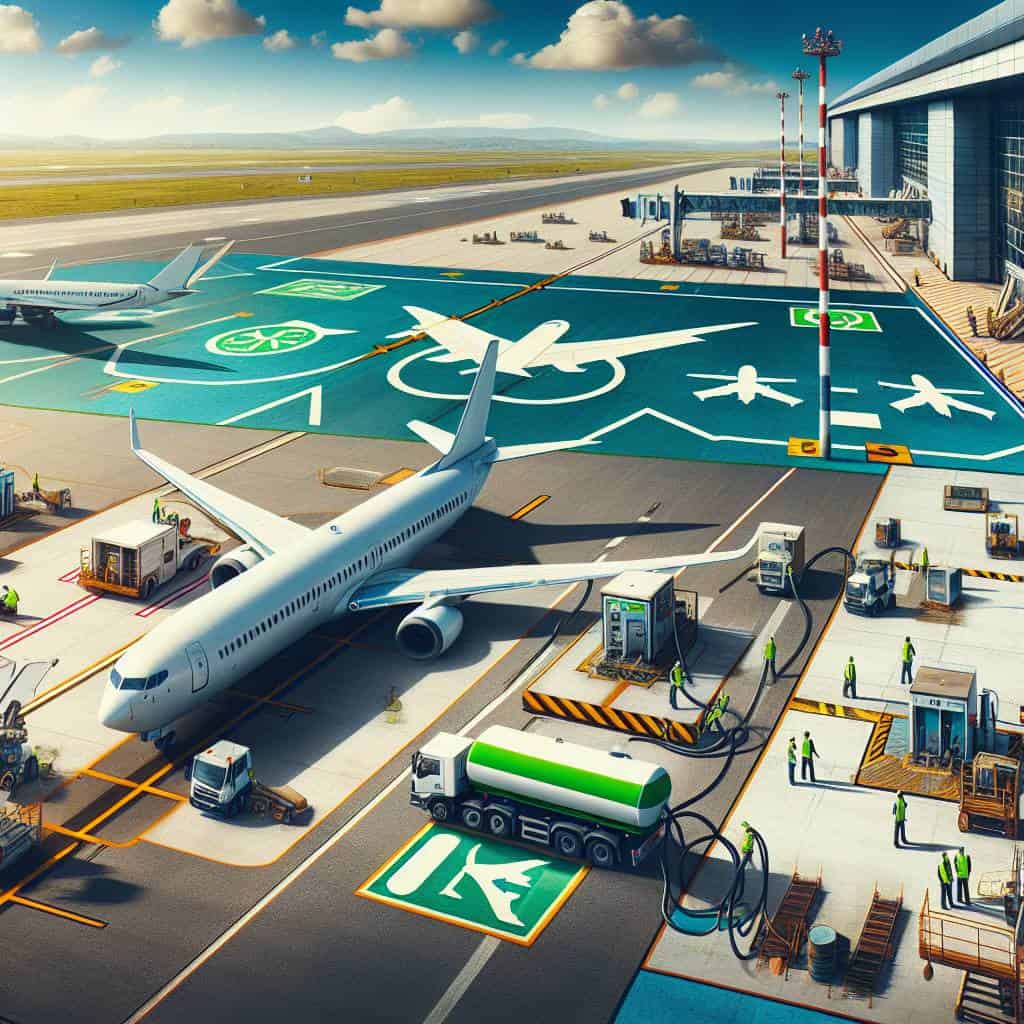
So, let’s cut through the noise together. In this article, I’ll dissect what’s real and what’s a mirage in the world of sustainable aviation fuel. We’ll dive into the gritty details of efficiency—how much it really saves and where it falls short. We’ll look at its actual impact on our carbon footprint and why adoption remains a steep climb. No sugar-coating, no empty promises—just the raw, unfiltered truth. Ready to navigate this turbulent airspace? Let’s fly.
Table of Contents
The Great Green Flight Gamble: Chasing Efficiency in the Clouds
In the turbulent skies of aviation, the quest for sustainability is more of a gamble than a guaranteed victory. Picture this: aviation execs betting their chips on sustainable aviation fuel (SAF) as the ace up their sleeve to curb emissions. But here’s the harsh truth—the odds are stacked against them. SAF isn’t a magic wand to wave away the carbon crisis; it’s more like a high-stakes poker game where the cards are rigged. The industry is chasing efficiency in the clouds, but the reality is messier than a jet engine’s inner workings.
Let’s talk about efficiency, the holy grail of aviation. Airlines tout SAF as the eco-friendly elixir that will let us keep flying without the guilt trip. Yet, look closer, and you’ll see it’s just a green-painted Band-Aid on a system addicted to fossil fuels. Sure, SAF can reduce emissions—by a bit. But the devil’s in the details, and the adoption is sluggish, hobbled by high costs and limited availability. The real impact? It’s like bailing out a sinking ship with a teaspoon. We need a radical overhaul, not just swapping out the fuel while the same emissions-spewing engines roar overhead.
So why are we buying into this great green flight gamble? Because it’s easier to cling to the illusion of progress than to face the brutal reckoning our planet demands. The aviation industry’s carbon footprint is colossal, and SAF is a half-measure dressed up as a solution. It’s time to strip away the nonsense and face the stark reality: chasing efficiency in the clouds with SAF is like betting your life savings on a lottery ticket. We need innovation, not illusion.
Peeling Back the Green Paint
Sustainable aviation fuel reviews often read like love letters to an idea, not reality. Efficiency claims glitter, but the real impact? It’s just a drop in our ocean of overconsumption.
Grounded Realities of Skyward Dreams
Sustainable aviation fuel. The phrase alone sounds like a promise—a ticket to guilt-free skies and carbon-neutral horizons. But after digging deep, it’s clear that the road to true efficiency and impact is littered with glossy brochures and half-truths. It’s a classic case of over-promising and under-delivering. Sure, there’s potential here; there always is with new tech. But potential is a fragile currency in a world that demands immediate results. We can’t afford to hang our hopes on something that might just be another quick fix.
Navigating these reviews, I’ve realized that adoption isn’t just about the tech itself—it’s about how willing we are to confront the uncomfortable truths about our addiction to flight. We crave the convenience, the speed, the global connection. Yet, every takeoff is a reminder of our environmental footprint. So, where does that leave us? Maybe it’s not about finding the perfect fuel or the latest innovation. Maybe it’s about redefining what efficiency truly means in our relentless quest for progress. And perhaps, just maybe, it’s about recognizing that sometimes, the bravest innovations require the boldest sacrifices.
