I once found myself wedged between a snoring businessman and an overenthusiastic first-time flyer, gazing at the in-flight magazine’s safety ratings list. It was one of those moments where you realize you’ve been sold a fairy tale. The glossy pages promised that our aircraft was practically invincible, but my engineer’s instincts knew better. Because let’s be honest, if you’re relying on those ratings to keep you safe, you might as well trust a fortune cookie with your fate. Safety ratings are like the horoscopes of the aviation world—comforting but not exactly rooted in reality.
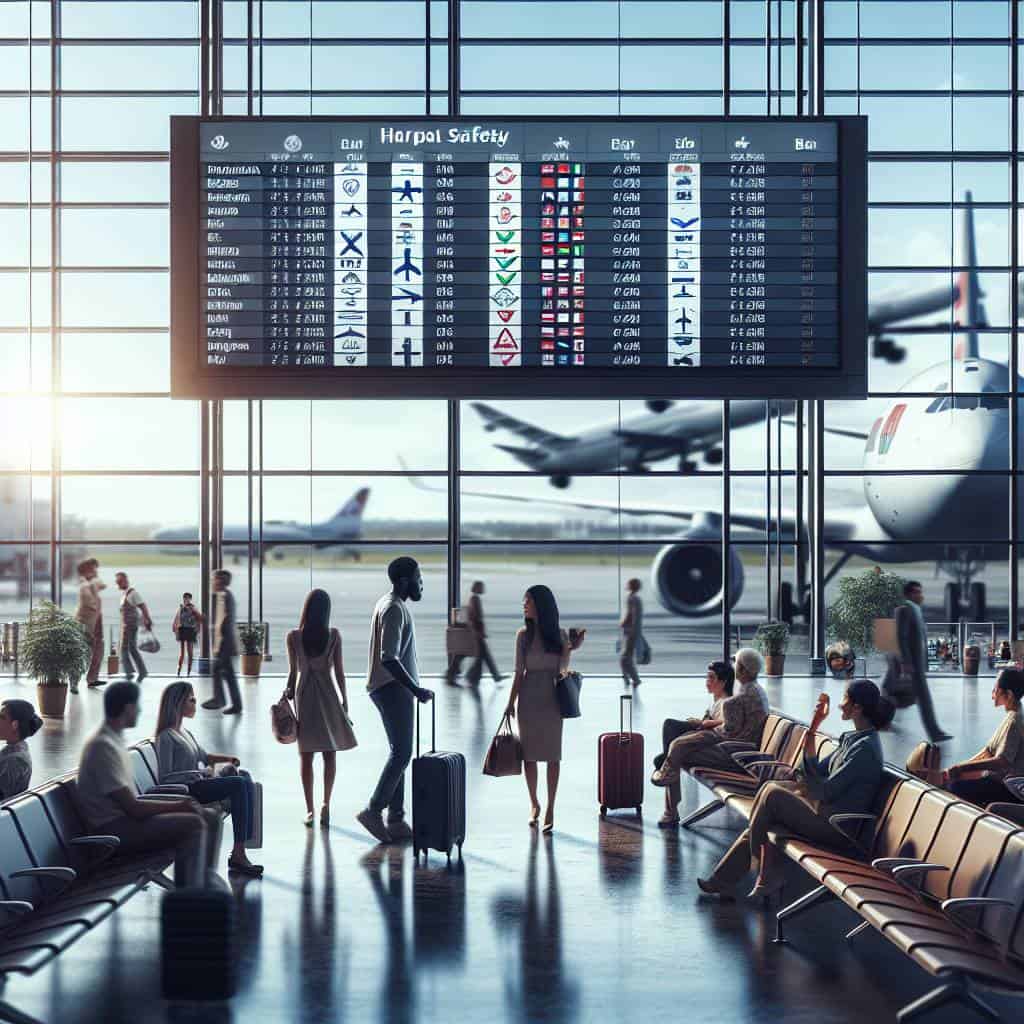
So, what’s the truth behind those neatly packaged numbers? In this article, I’m stripping down the illusion. We’ll dissect the factors that supposedly make one aircraft safer than another and compare the sources that churn out these ratings. Spoiler: not all are created equal. Expect a journey through the mechanics of aviation safety, where I promise to cut through the myths and deliver the raw facts. You’re here for clarity, and that’s exactly what you’ll get.
Table of Contents
Comparison Chaos: Navigating the Turbulent Skies of Aircraft Safety
Let’s get one thing straight. Comparing aircraft safety ratings isn’t like picking a favorite ice cream flavor. It’s a labyrinth of data, each twist and turn leading you to a new dead end or revelation. Every airline wants you to believe they’ve got the safest wings in the sky, but how do you sift through the noise? The truth is, these ratings are as much about perception as they are about numbers. Different sources—be it governmental bodies, independent agencies, or industry insiders—all have their tweaks on what constitutes safety. Some factor in the age of the fleet, others the frequency of inspections, and a few even the color of the cockpit carpet. Okay, maybe not the carpet, but you get the point. Each rating is a cocktail of criteria, leaving passengers to wonder what’s really in their glass.
But here’s where the chaos truly takes flight. You’ve got your glossy travel magazines charting out safety scores like they’re the ultimate authority. Then, there are the insidious whispers of internet forums, where self-proclaimed experts dissect every bolt and rivet as if their next trip depended on it. The factors at play are a dizzying array—maintenance records, pilot training, incident histories, and yes, sometimes political influences. It’s not just about what’s on paper; it’s about what’s left off it. So, when you’re faced with the decision of which airline’s safety rating to trust, remember that these ratings are as stable as a paper plane in a storm. Look beyond the numbers; question the sources, and don’t let the turbulence of comparison chaos lead you astray.
The Illusion of Safety
Aircraft safety ratings are like comparing apples to oranges; the sources are varied, the factors are many, and the truth? It’s somewhere lost in turbulence.
The Mirage of Reassurance
So here we are, at the end of this turbulent journey through the skies of aircraft safety ratings. I’ve peeled back layers of glossy assurances and peered into the abyss of numbers and letters that supposedly keep us safe. The truth? It’s murkier than the fog that grounds flights. The comparisons, the sources, the so-called factors—they’re a smokescreen, in many ways. We’re led to believe that these ratings are our security blanket, but perhaps they’re just a well-crafted illusion.
But let’s not kid ourselves. The world of aviation safety isn’t black and white, and it never will be. It’s a dance of probabilities, a game of trust between engineers, aviators, and the unseen forces of nature. The real safety doesn’t lie in a rating but in the relentless pursuit of improvement, the vigilance of minds that refuse to accept mediocrity. As we disembark from this flight of exploration, I leave you not with answers, but with the hope that next time, you too will question the numbers and look beyond the surface. Because that’s where real understanding begins.
