I remember the first time I heard about digital twin technology. It sounded like something out of a sci-fi flick, probably starring some overpaid actor in a white lab coat. But here’s the kicker—I was stuck trying to fix a failing system with my own two hands, while some hotshot was busy playing God with its digital clone. It’s like this: you’re knee-deep in the muck, and some genius in a clean room is figuring out how to save your sorry hide without getting their hands dirty. The irony was not lost on me. I’m an engineer, not a magician. But digital twins? They’re the closest thing we’ve got to engineering sorcery.
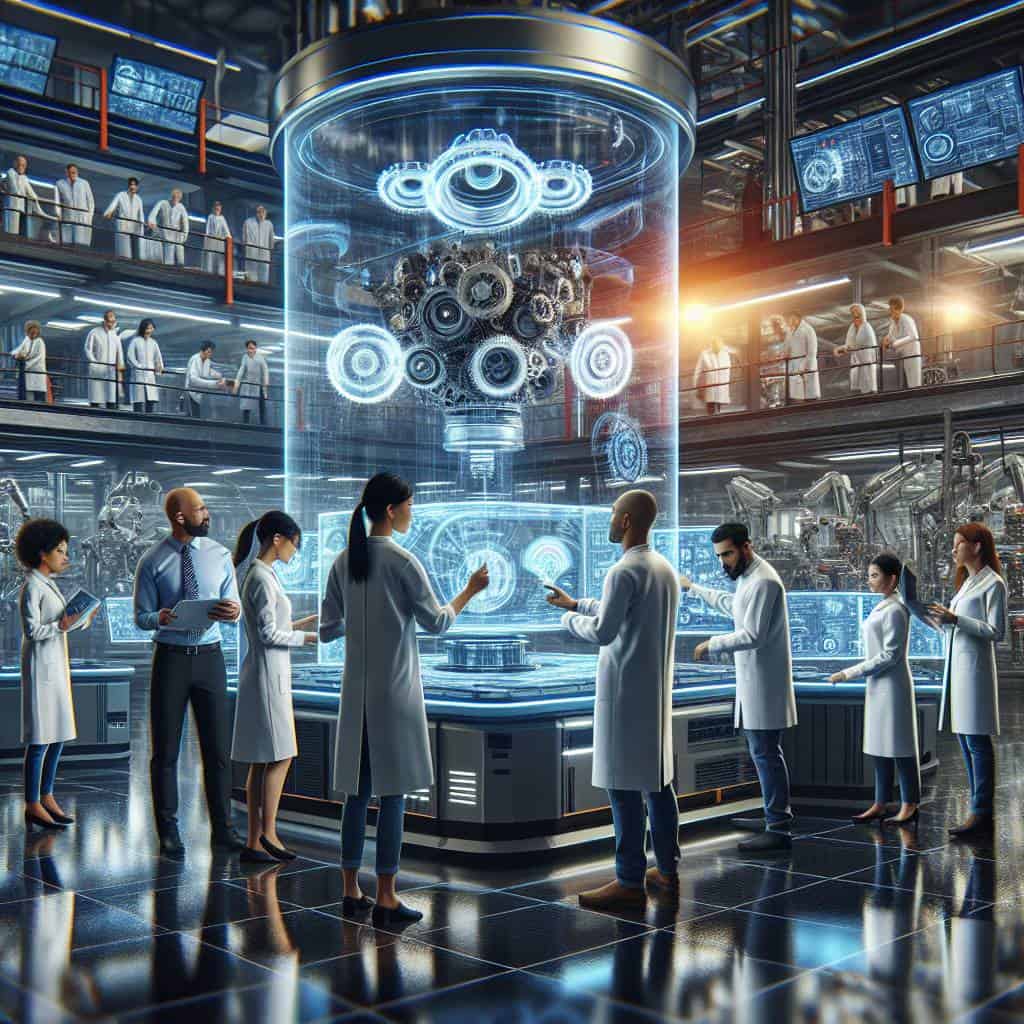
So, why should you care? Because this tech isn’t just about making life easier or saving a few bucks. It’s about precision. It’s about screwing up in a safe space so you don’t get burned in the real world. In this piece, I’m going to yank back the curtain and show you how digital twins change the game in simulation, maintenance, and testing. No fluff, no nonsense—just a clear look at how these virtual voodoo dolls are rewriting the rules of engineering.
Table of Contents
When My Virtual Doppelgänger Became Better at Maintenance Than Me
It was a day like any other in the buzzing chaos of the city when I realized that the digital doppelgänger I’d been tinkering with had outpaced me in the maintenance game. Imagine this: a virtual entity, born from code and precision, outperforming its flesh-and-blood creator. Humbling? Definitely. But also, downright exhilarating. We engineers love a good challenge, and this digital twin was mine.
In the dimly lit corner of my workshop, surrounded by the hum of servers and the glow of monitors, I watched as the digital twin ran simulations that were once the bane of my existence. It tested every possible failure scenario, poked at the weak spots of my designs, and spat out insights faster than I could take a sip of my coffee. This wasn’t just about efficiency—it was about survival in an era where the stakes were sky-high and the margin for error razor-thin. And let’s face it, in maintenance, foresight is everything. The digital twin was like having a crystal ball, minus the hocus-pocus.
But here’s the kicker: it wasn’t just about predicting failures; it was about understanding them. Every simulation, every test it ran was a lesson in humility and learning. It laid bare the gaps in my knowledge, not to shame me, but to push me forward. And that’s the beauty of digital twins—they’re relentless, unforgiving, and brutally honest. In a world obsessed with perfection, my virtual doppelgänger was the imperfect mirror reflecting the path to becoming better—reminding me that even the best machines need a heart, and the best engineers need a little help from their digital friends.
Digital Alchemy at Work
Digital twins are like the rehearsal stages of engineering, where we can play out every ‘what if’ scenario without an audience to judge our missteps.
When Reality and Imagination Collide
Digital twin technology has been like a stubborn puzzle piece in my engineering journey, challenging my perception of what’s real and what’s just smoke and mirrors. It made me question my reliance on tangible tools, forcing a deeper dive into simulations where trial and error happen in a consequence-free zone. The beauty of these virtual voodoo dolls is their ability to let me fail spectacularly without the hefty price tag of real-world blunders. In a way, they’ve become my invisible safety net, catching my missteps before they spiral into costly disasters.
But it hasn’t been all smooth sailing. There’s a part of me that resists letting go of the tactile satisfaction of hands-on fixes. Yet, watching my digital doppelgänger excel in maintenance tasks I once thought required human intuition nudged me toward acceptance. It’s a strange realization that my trusty wrench might have a digital counterpart with better precision. In this dance between reality and simulation, I’ve learned the value of embracing both worlds. And perhaps, that’s the heart of engineering—melding the best of the tangible with the potential of the virtual.
