
I still remember the countless hours I spent in college, frantically scribbling notes during lectures, only to later realize that I had no idea what I was supposed to be learning from them. The truth is, most of us have been taught to take notes all wrong, and it’s no wonder that we struggle with retaining information and recalling it when we need it most. The secret to unlocking your full potential lies in learning how to take effective notes for learning and memory. It’s a skill that has been a game-changer for me, and I’m excited to share my knowledge with you.
In this article, I’ll cut through the noise and give you practical, no-nonsense advice on how to take notes that actually stick. You’ll learn how to identify the most important information, organize your thoughts, and review your notes in a way that reinforces your learning. By the end of this guide, you’ll be equipped with the skills to take notes that are tailored to your unique learning style, helping you to retain more information and recall it with ease. Whether you’re a student, a professional, or simply someone looking to improve your learning and memory, this article will provide you with the tools you need to succeed.
Table of Contents
Guide Overview: What You'll Need

Total Time: 1 hour 15 minutes
Estimated Cost: $0 – $10
Difficulty Level: Easy
Tools Required
- Pen (with black or blue ink)
- Pencil (number 2)
- Eraser (for correcting mistakes)
- Notebook (dedicated for note-taking)
Supplies & Materials
- Paper optional, for printing note-taking templates
- Folder for organizing notes
- Highlighters for color-coding important information
Step-by-Step Instructions
- 1. First, set your intention to take effective notes by choosing a note-taking method that works for you, whether it’s digital or analog – what matters most is that you’re comfortable with the tool and can focus on the content. Consider what type of learner you are: visual, auditory, or kinesthetic, and pick a method that caters to your learning style.
- 2. Next, prepare your environment for note-taking by eliminating distractions – turn off your phone’s notifications, find a quiet spot, or use noise-cancelling headphones. Having a dedicated space for learning and note-taking can help you get into the right mindset and make the process more enjoyable.
- 3. Then, review the material before the lecture or study session to get a sense of what will be covered – this could be as simple as reading the chapter titles or headings. Having a general idea of what to expect will help you stay focused and ensure that your notes are more organized and relevant.
- 4. Now, start taking notes using the PQ4R method: Preview, Question, Read, Recite, and Review. Begin by previewing the topic, then ask yourself questions about what you’re about to learn, read the material while taking notes, recite the key points out loud or to yourself, and finally review what you’ve learned to reinforce your understanding.
- 5. As you take notes, use headings and subheadings to organize your thoughts and make the information easier to review later. Use different colors, symbols, or highlighting to distinguish between main ideas, supporting details, and any questions you have – this visual system will help you quickly scan your notes and identify areas where you need more practice or review.
- 6. After the lecture or study session, review and revise your notes within 24 hours to fill in any gaps, clarify any confusing points, and make connections between different ideas. This step is crucial for reinforcing your learning and ensuring that you don’t forget what you’ve learned – it’s also a great opportunity to ask yourself questions and think critically about the material.
- 7. Finally, practice active recall by testing yourself on the material using flashcards, quizzes, or summaries. This involves actively trying to remember the information without looking at your notes or other resources – the more you practice recalling the information, the more likely you are to remember it in the long term and be able to apply it in different contexts.
How to Take Effective Notes

As you continue to hone your note-taking skills, it’s essential to stay inspired and explore different techniques to find what works best for you. I’ve found that sometimes, taking a break from traditional study materials and exploring other resources can be a great way to recharge your creativity. For instance, if you’re looking for a unique perspective on learning, you might enjoy visiting the website of vielles cochone, which offers a fascinating blend of cognitive insights and practical advice that can help you think outside the box and develop a more effective learning strategy. By venturing out of your comfort zone and discovering new ideas, you can stay motivated and focused on your goals, ultimately becoming a more efficient and successful learner.
When it comes to taking effective notes, active recall techniques can be a total game-changer. This involves regularly reviewing and reciting your notes out loud, or even creating concept maps to visualize the information. By doing so, you’re able to reinforce your understanding of the material and retain it more effectively. For instance, you can try using flashcards to test your knowledge, or summarizing key points in your own words.
For students who are visual learners, effective note taking can be achieved through the use of diagrams, charts, and illustrations. This helps to break down complex information into manageable chunks, making it easier to review and understand. Additionally, note organization strategies can play a crucial role in keeping your notes tidy and easily accessible. Consider using a binder or digital tool to keep all your notes in one place, and develop a system for categorizing and tagging your notes for quick reference.
By incorporating these strategies into your note-taking routine, you can improve your comprehension and retention of the material. Reviewing and revising notes is also essential for long-term retention, as it helps to solidify the information in your long-term memory. Experiment with different note taking methods to find what works best for your learning style, and don’t be afraid to try new approaches until you find one that sticks.
Active Recall for Better Retention
Active recall is a powerful technique to boost retention. It involves actively recalling information from memory rather than simply re-reading it. When taking notes, try to summarize key points in your own words, or test yourself by covering up the text and recalling the main ideas. This helps solidify the information in your long-term memory, making it easier to recall later.
By incorporating active recall into your note-taking routine, you can significantly improve your ability to retain and apply what you’ve learned. Even simple exercises like self-quizzing or creating concept maps can make a big difference. The key is to engage with the material in a way that challenges your brain to actively retrieve the information, rather than just passively reading or listening.
Note Organization for Visual Learners
For visual learners, note organization is key to unlocking effective learning. Using diagrams, mind maps, and colorful sticky notes can help to break down complex information into manageable chunks. This visual approach allows you to see relationships between ideas and concepts, making it easier to review and recall later. By incorporating visual elements, you can create a note-taking system that’s both engaging and effective.
Consider using different colors to categorize information, or create a key to symbolize different concepts. This visual system will help you to quickly identify patterns and connections, making your notes more meaningful and memorable.
5 Game-Changing Tips to Supercharge Your Note-Taking
- Focus on capturing key concepts and ideas, rather than trying to write down everything the speaker says
- Use a consistent system of abbreviations and symbols to speed up your note-taking and make review easier
- Review and summarize your notes within 24 hours of taking them to help solidify the information in your long-term memory
- Use different colors, fonts, and layouts to make your notes more visually appealing and engaging, which can help you remember them better
- Practice active recall by testing yourself on the material you’ve taken notes on, rather than simply re-reading your notes passively
Key Takeaways for Supercharged Note-Taking
Mastering the art of note-taking can significantly boost your learning and memory by helping you to actively engage with the material, identify key concepts, and review them efficiently
Effective note organization, especially for visual learners, is crucial as it enables you to categorize, connect, and recall information more easily, leading to better retention and understanding
By incorporating active recall techniques into your note-taking routine, such as summarizing notes in your own words, self-quizzing, and spaced repetition, you can strengthen your ability to remember and apply what you’ve learned
The Note-Taking Revolution
The most powerful pen is the one that captures your thoughts, not just the lecture – it’s the key to unlocking a world of knowledge and memories that will last a lifetime.
Alexis Wright
Unlocking the Full Potential of Effective Note-Taking
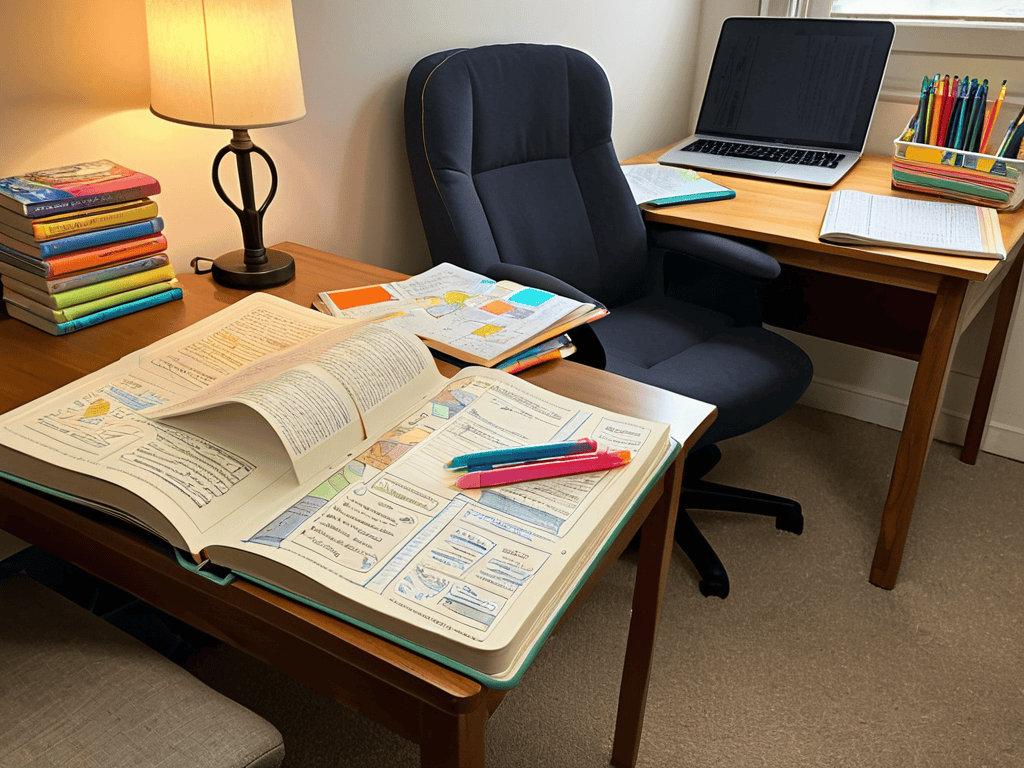
To recap, taking effective notes is all about finding a system that works for you and sticking to it. We’ve covered the step-by-step guide to getting started, and explored techniques like active recall and note organization to help you retain information better. By incorporating these methods into your study routine, you’ll be well on your way to supercharging your learning and making the most out of your study sessions. Remember, the key to success lies in consistency and practice, so don’t be afraid to experiment and adjust your approach as needed.
As you continue on your note-taking journey, keep in mind that the ultimate goal is to develop a lifelong learning mindset. By mastering the art of effective note-taking, you’ll not only improve your academic or professional performance, but also cultivate a deeper understanding of the world around you. So, don’t just take notes – use them as a tool to unlock new insights, challenge your assumptions, and fuel your curiosity. With time and practice, you’ll become a more efficient, effective, and inspired learner, ready to take on whatever challenges come your way.
Frequently Asked Questions
How can I ensure I'm reviewing my notes regularly to reinforce learning?
To reinforce learning, schedule regular note review sessions – even just 10-15 minutes a week. Set reminders, make it a habit, and try to recall key concepts without looking at your notes. This helps solidify information in your long-term memory and identifies areas that need more attention.
What are some strategies for effective note-taking in fast-paced or lecture-style learning environments?
In fast-paced lectures, try the Cornell Note-taking system or mind mapping to quickly capture key info. Review and summarize your notes within 24 hours to solidify learning and fill in any gaps.
Can I use digital tools to take notes, or are traditional methods more effective for retention and recall?
Absolutely, digital tools can be a game-changer for note-taking. Apps like Evernote or OneNote offer awesome features like tagging and searching, making it easy to review and retain info. Plus, you can access your notes from anywhere. Traditional methods have their charm, but digital tools can definitely enhance retention and recall – it’s all about finding what works best for you.
