I remember my first flight like it was yesterday—a chaotic blend of anxiety and naive optimism. I had armed myself with every first-time flyer guide I could find, thinking I’d emerge victorious. But let’s be honest, those guides are about as useful as a screen door on a submarine. They promised a seamless journey, but failed to mention the reality of wrestling with overhead bins or the existential dread of turbulence. I spent half the flight questioning my life choices, wedged between a snorer and a wannabe opera singer.
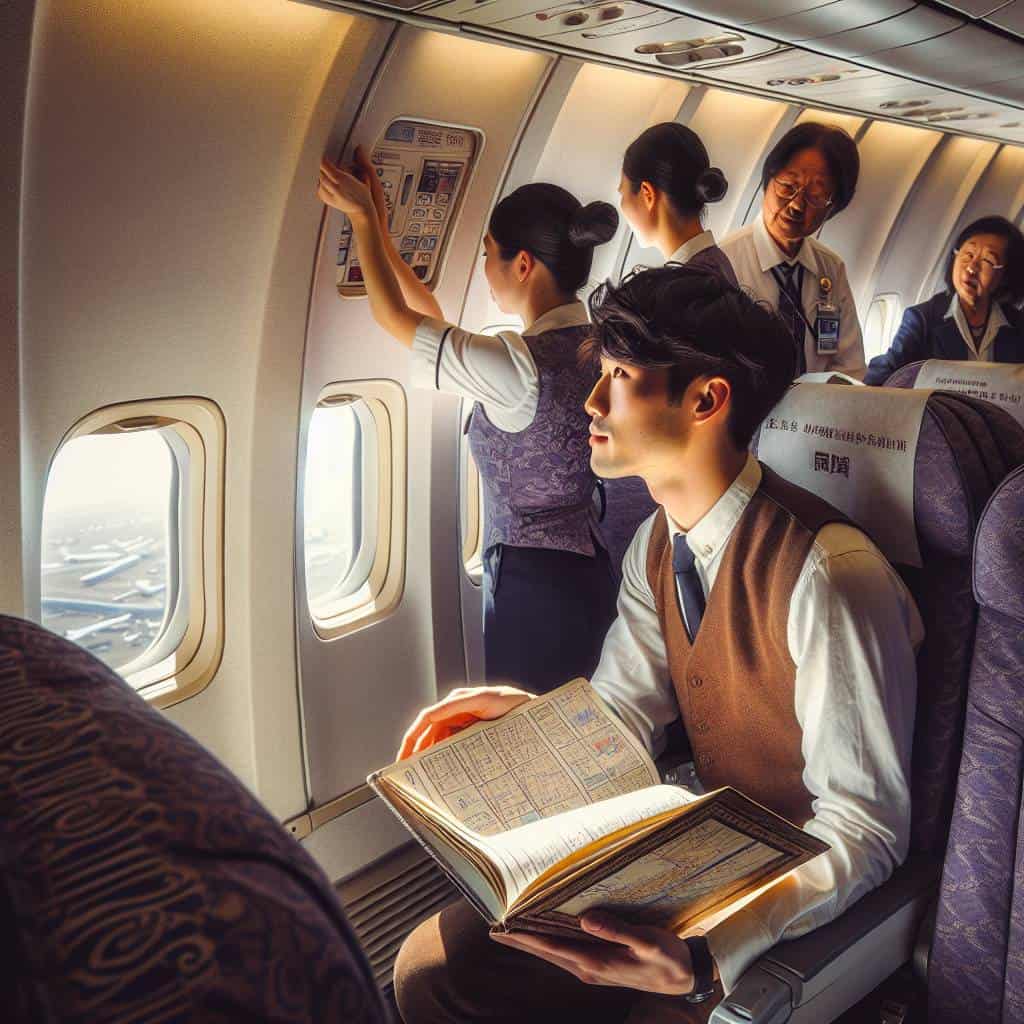
So here we are. If you’re like me, you want the unvarnished truth about what to expect when you step into that metal tube for the first time. Forget the sugarcoated advice that glosses over the gritty details. This isn’t about selling you on some fantasy of effortless travel. We’re going to dive into the real stuff: practical tips, the importance of preparation, and how to make the experience as comfortable as possible without losing your sanity. Buckle up. It’s going to be a bumpy ride, but at least you’ll be prepared for it.
Table of Contents
How I Survived My First Flight: A Tale of Tips and Turbulence
First-time flying is like diving headfirst into the deep end without knowing if you can swim. The airport alone is a labyrinth of gates, terminals, and people who seem to know exactly where they’re going—except you. My first flight was no different. Walking into that bustling cacophony was like stepping into an aria of chaos, and the only way to survive is to embrace it. The key? Preparation that doesn’t involve a self-help book. Pack like you’re playing Tetris. Every item has a place, and if it doesn’t fit, it doesn’t fly. And for the love of engineering, invest in noise-cancelling headphones. They’re not just a luxury; they’re a necessity when the inevitable wailing baby makes its presence known.
Now, let’s talk turbulence. The first time your seat shudders and the overhead bins rattle, your mind races through every Hollywood disaster movie featuring plummeting planes. But here’s the truth from an engineer’s perspective: turbulence is nothing more than nature’s way of reminding us who’s boss. So, when those seatbelt signs light up, tighten that belt and breathe. You’re in a metal tube designed to withstand a lot more than a few air bumps. The real trick? Distract yourself. Watch a movie, read a book, or do what I did—strike up a conversation with the stranger beside you. You’d be surprised at how a shared laugh can make those clouds seem a little less menacing. In the end, surviving your first flight is a rite of passage. It’s about finding comfort in discomfort and realizing that even in the sky, there’s a rhythm to the chaos.
Navigating the Skies of Sanity
The first flight isn’t about reaching a destination; it’s about redefining the boundaries of your patience and discovering just how many ways a seat can be uncomfortable.
The Final Descent
As I sit here reflecting on the chaos and the calm of my first flight, it’s clear that no guide could ever fully prepare you for the reality of being suspended between terra firma and the wild blue yonder. The truth is, you can read all the tips and tricks, but until you’re in that seat, feeling the engines roar to life, you’re just playing dress-up in the cockpit of someone else’s experience. It’s a baptism by jet fuel, and you’re not truly initiated until you’ve felt that gut-twisting combination of thrill and dread.
But here’s the thing: it’s in those moments of uncertainty where you find out what you’re really made of. The guides and advice are like well-meaning friends—they can point you in the right direction, but you’re the one who has to take the steps. So, embrace the chaos, laugh at the absurdity, and trust that you’ll figure it out along the way. Because in the end, surviving your first flight is less about meticulous preparation and more about the stories you collect at 30,000 feet.
