I once found myself in the midst of a particularly soul-crushing layover, the kind where minutes stretch into hours and airport seats become instruments of torture. As I sat there, contemplating the existential dread of missing yet another connecting flight, I overheard a fellow traveler mutter something about AI revolutionizing flight scheduling. I stifled a laugh. Sure, AI can crunch numbers like a caffeine-fueled accountant, but it can’t control the whims of the wind or the snafus of human error that keep us grounded.
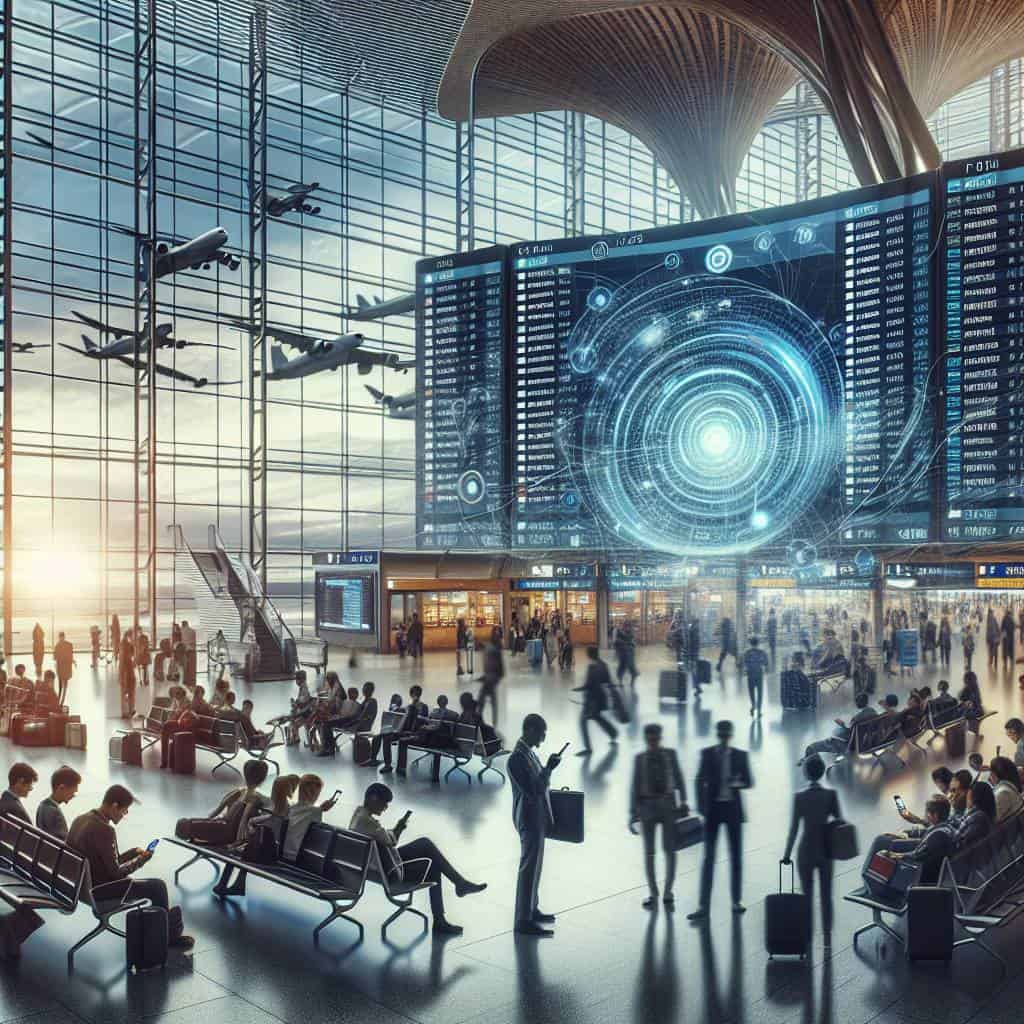
So, let’s cut through the noise. This article will peel back the layers of AI’s role in flight scheduling, exposing the hard truths behind the tech buzz. We’ll delve into the promises of optimization and efficiency, and why they sometimes falter under pressure. Spoiler: your delayed flight is probably still going to happen. But stick with me, and we’ll navigate this turbulent airspace together, dissecting what AI really brings to the table—and what it doesn’t.
Table of Contents
When AI Met My Travel Plans: A Tale of Optimization and Other Disasters
Picture this: it’s 2 AM and I’m stuck at an airport terminal, surrounded by exhausted travelers and overpriced vending machines. The culprit? Not a blizzard or a mechanical failure, but the tangled web of AI-driven flight scheduling. You see, the promise of optimization sounds like a dream—algorithms crunching numbers, predicting demand, and slotting planes with the precision of a Swiss watch. But when AI met my travel plans, reality decided to play a different tune. Instead of seamlessly orchestrated flights, I found myself knee-deep in a symphony of delays and frustrated passengers.
Here’s the rub: AI’s grand ambition to streamline flight schedules is constantly wrestling with the chaos of the real world. Sure, it might predict peak travel times or adjust for adverse weather, but it can’t account for everything. Human error, unexpected maintenance, or even a flock of birds deciding to make their runway debut—these are variables no algorithm can fully anticipate. And when things go south, AI often becomes the scapegoat, a digital punching bag that can’t defend itself. The truth is, in this quest for efficiency, we’re left grappling with a system that can be as fallible as the humans who programmed it.
So, what happens when your meticulously planned itinerary meets the cold, unfeeling logic of AI? You end up watching your departure time slip further into the ether, clutching a boarding pass that feels more like a lottery ticket. The promise of optimization morphs into a lesson in humility, reminding us that for all our tech wizardry, some disasters simply can’t be averted. My advice? Pack patience along with your carry-on next time you fly. It’s the only thing AI can’t optimize, and you’ll need plenty of it.
The Myth of Perfect Timing
AI in flight scheduling is like a clock without hands—promising precision but leaving you guessing the time. It’s not about erasing delays; it’s about finding new excuses.
When Algorithms Meet Airplanes: The Final Boarding Call
In the end, my tango with AI in flight scheduling felt like a reality check wrapped in a learning curve. The promise of seamless travel, perfectly optimized down to the last second, is tantalizing. But let’s not kid ourselves—the real world is messy, and no algorithm can fully tame the chaos of a bustling airport. My journey revealed not just the limits of technology, but the resilience required to navigate them. And that’s not something you’ll find in a line of code.
So, as I sit in yet another terminal, watching the dance of departure boards flipping with delays, I find a strange solace in the unpredictability. Maybe AI will evolve, smoothing out the rough edges of travel. Or maybe we’ll always need a bit of human adaptability to handle the storms—both meteorological and metaphorical—that life throws our way. Either way, I’ll keep questioning, learning, and, yes, sometimes waiting. Because that’s the true journey, isn’t it?
