Here’s a little confession: I once found myself in a situation where my supposed “best” portable oxygen system turned into a high-altitude paperweight. Picture this: I’m scaling a peak, lungs burning like I’d inhaled a bonfire, and there I am, wrestling with a contraption that’s supposed to save me. Instead, it’s got me twisting knobs and swearing under my breath. This isn’t just an anecdote—it’s a cautionary tale. Because if your life depends on a gadget, you better hope it does more than look pretty on a shelf.
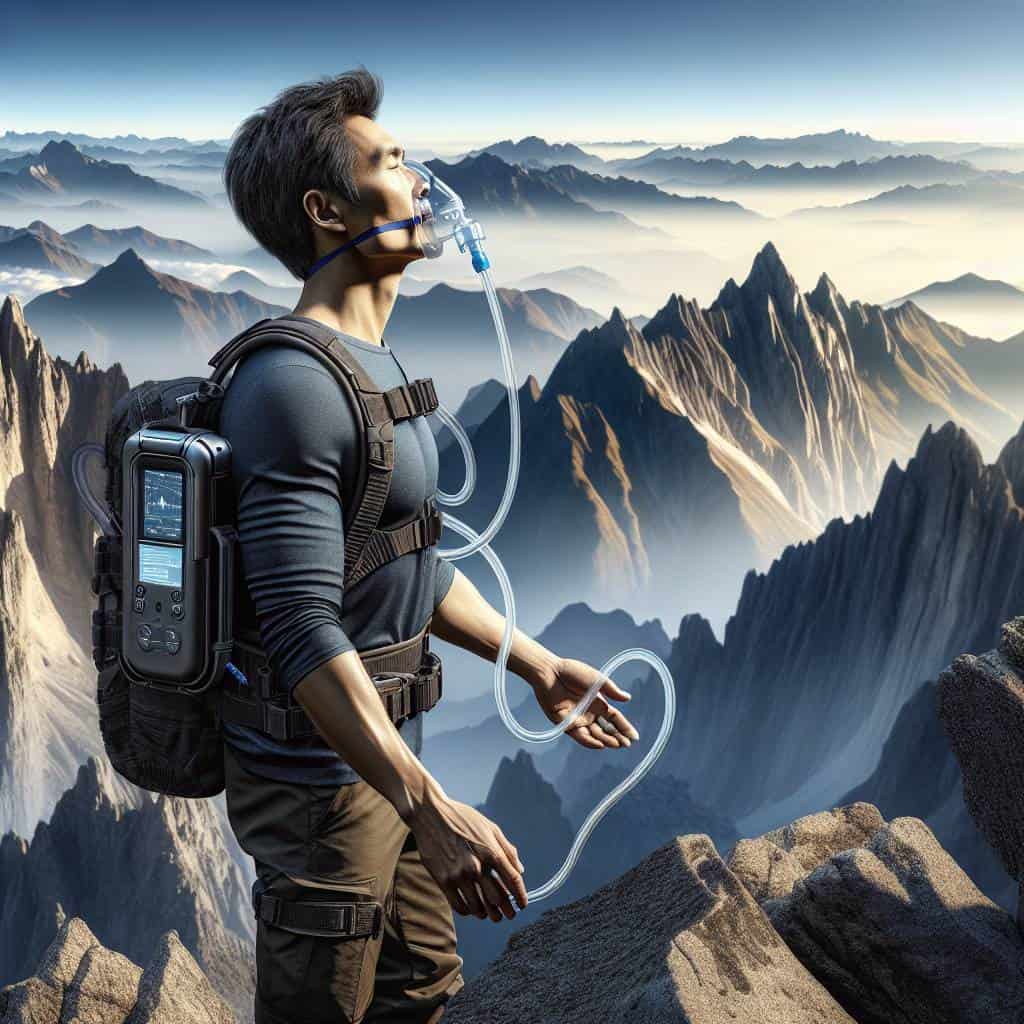
So, why am I ranting about this? Because I’m about to lay it all out for you. In this article, I’ll cut through the marketing fluff and get real about what makes a portable oxygen system worth the investment. We’ll dig into altitude challenges, the so-called “ease of use,” and the fine line between safety features and unnecessary complications. Buckle up; it’s time to separate the wheat from the chaff.
Table of Contents
How Scaling New Heights Became Easier with a Pocket-sized Lifesaver
Picture this: you’re halfway up a mountain, lungs burning, heart pounding like a jackhammer. You’re struggling for each breath, wondering if this is how you meet your maker. Now imagine pulling out a compact device, no bigger than a thermos, that turns this gasping nightmare into a manageable day hike. That’s what these portable oxygen systems do, and they’re a godsend for anyone crazy enough to think climbing a mountain is a fun weekend activity. With these pocket-sized lifesavers, scaling new heights is no longer about flirting with hypoxia but about tackling altitude with a touch of modern engineering.
Let’s get real—there’s nothing “easy” about fighting for oxygen above 8,000 feet. But these devices change the game. They’re not just about convenience; they’re about safety. Sure, you could lug around a bulky tank like a scuba diver on land, but who wants that? These systems are designed for practicality. They’re lightweight, efficient, and most importantly, they work. You pull it out, hit a button, and voilà—breathable air. No fiddling, no fuss. It’s like having a guardian angel tucked into your backpack, ready to bail you out when the going gets tough. And isn’t that exactly what you need when you’re up against the harshness of high-altitude environments?
The Cold Truth About Oxygen Systems
At 10,000 feet, ‘ease of use’ isn’t a button—it’s the difference between staying calm and fighting panic. Choose wisely.
Breathing Easier, Thinking Harder
In the end, my trek into the world of portable oxygen systems is a testament to one basic truth: simplicity often hides behind layers of unnecessary complexity. I’ve seen devices that promise the world but deliver headaches instead. And let’s not forget the irony of a ‘user-friendly’ gadget that demands a degree in engineering just to operate. It’s a reminder that technology should serve us, not the other way around.
What I’ve learned is invaluable. If we’re talking about scaling peaks—literal or metaphorical—nothing beats clear design and straightforward usability. These systems should be silent partners in our adventures, not the main event. So, when you choose your lifeline at altitude, pick one that lets you focus on what truly matters: the view, the journey, and the breath of fresh air that makes it all worth it. That’s where real freedom lies.
