A few years back, I found myself navigating the labyrinthine corridors of an airport, clutching a boarding pass that cost more than a month’s rent. As I sat in a cramped seat, sandwiched between a snoring businessman and a child with a penchant for kicking seats, I couldn’t help but laugh at the absurdity. This was the so-called democratization of air travel? It’s a cruel joke. Airlines love to wax poetic about accessibility, but let’s be honest—most of us are still grounded by sky-high costs and logistical nightmares. The dream of flying freely is just that—a dream, wrapped in red tape and served with a side of pretentious jargon.
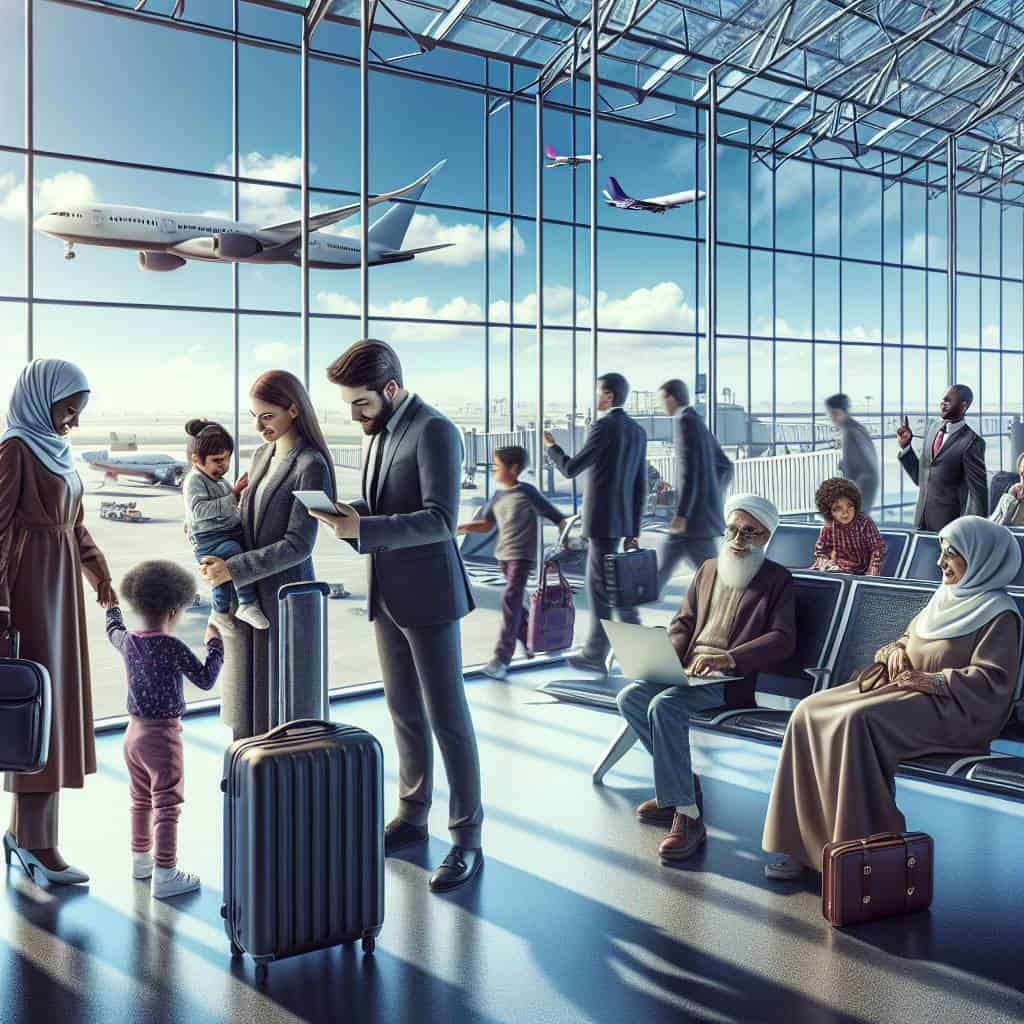
But here’s where we get real. This isn’t a pity party. This article is about dissecting the shiny facade of “accessibility” in aviation and exposing what actually happens when the rubber meets the runway. We’ll dive into the realm of innovation, education, and outreach, peeling back layers of corporate doublespeak to reveal the truth. Because in a world obsessed with progress, we owe it to ourselves to ask: who really gets to fly, and who’s left watching the contrails fade into the horizon?
Table of Contents
From Paper Planes to Jet Streams: How Innovation Helped My Dreams Take Flight
In a world where skyscrapers pierce clouds and drones zip past your window, let’s talk about the real journey from paper planes to jet streams. I started with a fascination for those flimsy paper creations, folding and launching them into the unknown. They were simple, sure, but they ignited a curiosity about the mechanics of flight, a curiosity that soared beyond the confines of my childhood room. Innovation isn’t just a buzzword—it’s the engine that propels dreams upward. But let’s be brutally honest: innovation in aviation hasn’t exactly grounded itself in the reality of making flying accessible to everyone.
Education and outreach are supposed to be the great equalizers, right? Yet, many programs are still as inaccessible as a first-class ticket. When I dug into aviation, I found that the gap between enthusiasm and opportunity was wider than the Grand Canyon. Workshops and educational programs, often touted as bridges for the underrepresented, sometimes feel more like exclusive clubs. But here’s where innovation can change the game. By leveraging technology—think virtual reality simulations and online courses—we can dismantle these barriers. We can empower anyone with an internet connection to learn the intricacies of flight, and that’s not just a pipe dream. It’s an achievable vision, if we dare to challenge the status quo and reimagine what accessibility truly means.
Cutting Through the Clouds
True aviation accessibility isn’t about more flights or cheaper tickets; it’s about dismantling the barriers that keep the sky out of reach for most. Innovation should be the ladder, not the gatekeeper.
Grounded in Reality: My Final Descent
In the end, my journey through the skies has revealed more than just the mechanics of flight. It’s taught me about the stark divide between those who soar and those who merely dream of it. The so-called ‘innovations’ have done little to bridge this gap, and I’m left grappling with the uncomfortable truth that technology alone isn’t the savior we hoped for. We need more than new gadgets and sleek designs; we need a fundamental shift in how we view accessibility and inclusivity in aviation.
So, what now? My mission isn’t over. If anything, it’s become more critical. I remain committed to peeling back the layers of glossy marketing to expose the raw, unfiltered reality. Education and outreach aren’t just buzzwords; they’re the tools we wield to dismantle the barriers. It’s a call to action, not just for me but for anyone who dares to challenge the status quo. Together, we can transform aviation from a distant dream into a tangible reality for many more. It’s a turbulent journey, but one I’m willing to navigate with relentless honesty and a stubborn refusal to settle for less.
