I remember the first time I encountered one of those “next-gen” check-in systems at the airport. There I was, juggling my luggage, trying to make sense of a touchscreen that seemed hell-bent on misunderstanding every command I gave it. Like some cruel initiation ritual, it made me question if this was really the pinnacle of technological progress or just a cleverly disguised patience test. But hey, who needs a friendly check-in clerk when you’ve got a temperamental screen that insists your flight doesn’t exist?
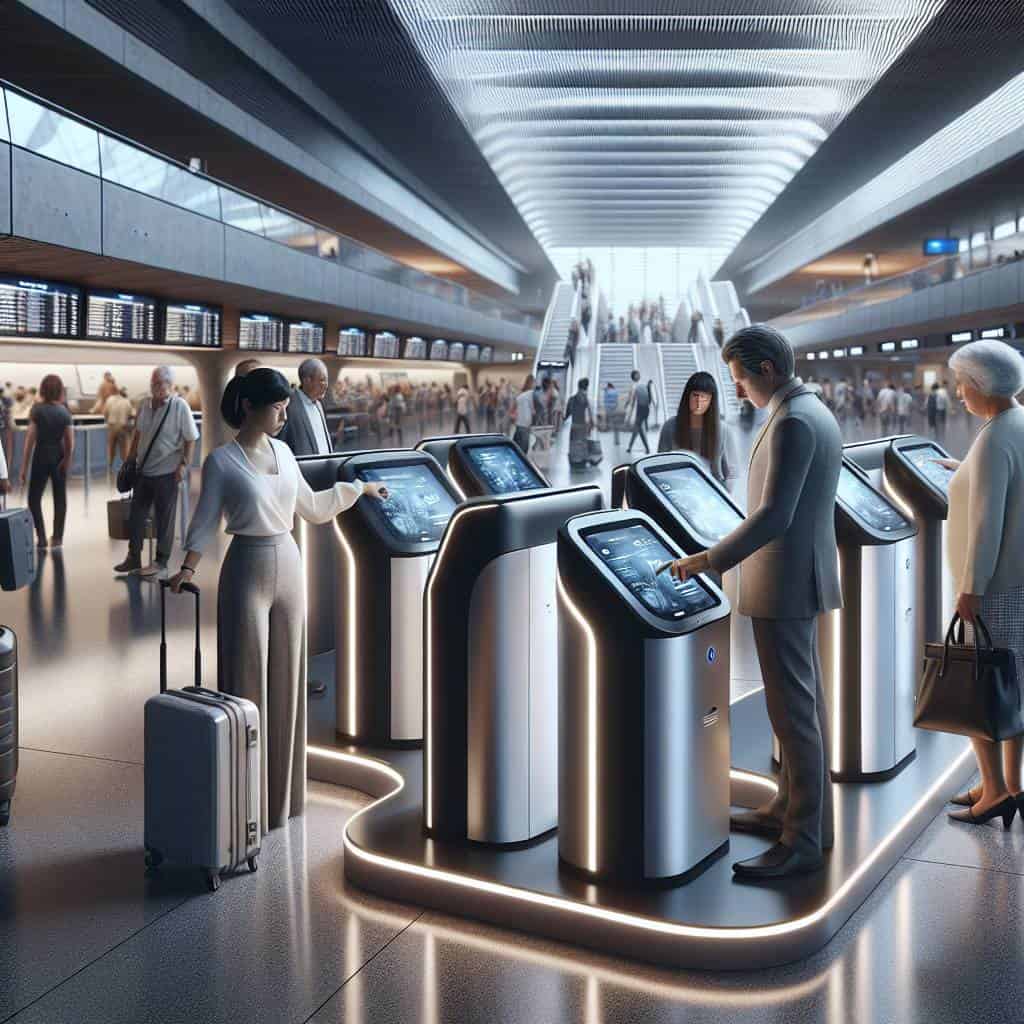
Let’s get real. These systems are marketed as the future—promising seamless self-service, sleek kiosks, and apps that supposedly streamline your travel experience. But do they really live up to the hype? In this article, we’ll strip away the glossy veneer and take a hard look at what these systems actually offer. From the quirks of self-service to the headaches of app-based check-ins, we’ll explore why the promise of convenience often feels like a mirage in the desert of modern air travel.
Table of Contents
How I Became Best Friends with a Kiosk: The Self-Service Saga
Let’s clear the air. When I first encountered the check-in kiosk, I wasn’t impressed. There it stood, a sterile monolith in the airport’s chaotic landscape, promising a convenient escape from the dreaded check-in counter. But “convenience” is a term marketers love to throw around, and I was skeptical. However, as an engineer with a penchant for efficiency, I couldn’t resist the allure of self-service systems. Little did I know, this was the beginning of an unexpected friendship.
My initial interactions were rocky. The kiosk, with its minimalist interface and cryptic error messages, felt like an enigma. But as I spent more time with it, our relationship evolved. I learned its quirks—like how it preferred a firm tap over a gentle touch and its fondness for my patience when processing my information. It wasn’t just about checking in; it was about understanding a new language of travel. The real breakthrough came when I realized that this kiosk was part of a larger ecosystem. Its connection to mobile apps and cloud databases revealed a network that streamlined my entire journey, from boarding passes to baggage tracking. In embracing this kiosk, I wasn’t just avoiding human interaction; I was engaging with a next-gen system that respected my time and autonomy.
But let’s not romanticize it. The road to our friendship was paved with frustrations. There were moments when I wanted to hurl my luggage at it after a system crash. And yet, each glitch was a learning opportunity, a chance to troubleshoot and adapt. In the end, the kiosk became more than a machine; it was a testament to the power of self-service technology. It taught me that progress isn’t about erasing human interaction; it’s about enhancing it through smarter systems. In a world where efficiency often trumps human touch, my bond with this kiosk symbolizes a new era of travel, where self-service isn’t just an option—it’s an ally.
The Illusion of Progress
In a world where self-service kiosks and apps are hailed as innovations, we forget that true progress means more than just swapping humans for machines.
The Unvarnished Truth About Self-Service Evolution
In the end, my tryst with these so-called ‘next-gen’ check-in systems has been less of a love story and more of a cautionary tale. The promise of seamless, efficient travel has been marred by the reality of clunky interfaces and the indifference of algorithms. It’s hard not to feel like a cog in a well-oiled machine, where human interaction is sacrificed at the altar of automation. But let’s be honest, the allure of technology often blinds us to its pitfalls. We trade the chaos of human error for the calculated coldness of a machine—only to realize that both have their own brand of unpredictability.
Looking forward, I can’t help but wonder if there’s a middle ground we haven’t explored. A place where human intuition complements machine precision, rather than being replaced by it. Maybe it’s wishful thinking, or maybe it’s the next chapter in this saga of progress. But for now, I’ll keep navigating the labyrinth of self-service kiosks and temperamental apps, armed with a bit more patience and a lot more skepticism. After all, in this rapidly evolving world, a little skepticism is the best companion one can have.
