I remember the time I was stuck on a red-eye flight, wedged between a snoring businessman and a toddler who had discovered the joys of kicking my seat. Desperate for some semblance of comfort, I fumbled with the so-called “ergonomic” neck pillow I’d bought from an airport kiosk. It promised to cradle my head in cloud-like softness, but in reality, it felt like I was balancing my skull on a lumpy sack of potatoes. The wellness industry loves to sell us these illusions of in-flight nirvana, but let’s be honest—most of them are just overpriced trinkets that fail to deliver.
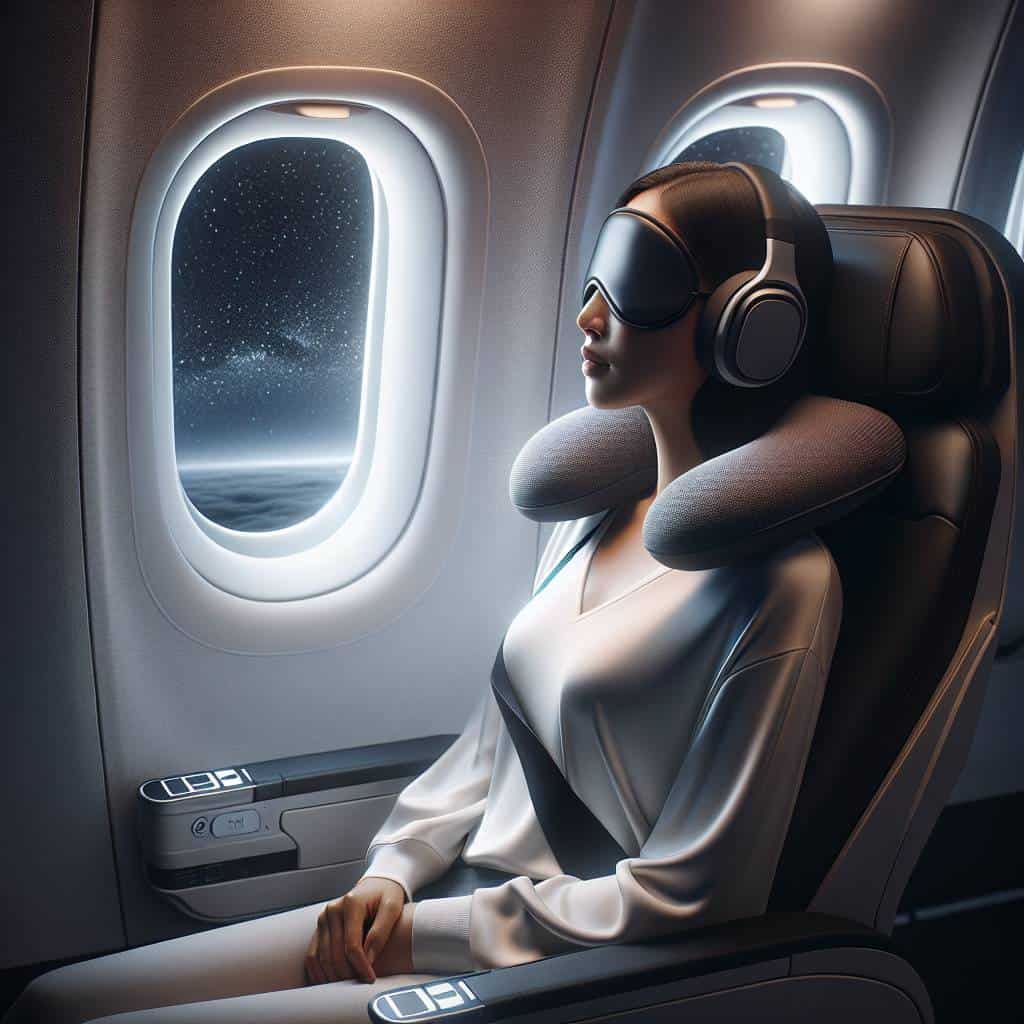
In this article, I’m going to strip away the flashy marketing and get down to the brass tacks of what works and what doesn’t when you’re thirty thousand feet in the air. We’ll dissect the apps that promise inner peace, the devices that claim to massage away your jet lag, and all the other gizmos in between. Prepare for a no-nonsense guide that respects your intelligence and your wallet, because you deserve the truth behind the travel gadget hype.
Table of Contents
The Battle of the Sky: Apps vs. My Anxiety
Flying is supposed to be a marvel of human achievement, right? But for me, every flight feels like an airborne cage match. My anxiety is the undefeated heavyweight champion, and it’s got the perfect record against every app that claims to bring peace to the skies. Think about it—how many times have you downloaded an app promising serenity, only to feel the same suffocating panic once the wheels lift off? I’ve tried them all: meditation apps that seem to mock my inability to find zen amidst turbulence, breathing exercises that forget my lungs are working overtime just to keep up with my heart, and even white noise generators that can’t compete with the symphony of engine roars and crying infants.
In the quest for calm, I’ve encountered wellness gadgets that cost more than my flight itself. These devices often promise to be the ultimate solution, but end up as nothing more than overpriced paperweights. They tell you to focus on the gentle hum of binaural beats, but forget to mention the sensory overload of being cramped in a metal tube hurtling through the sky. The reality? Anxiety doesn’t care about your noise-canceling headphones or your carefully curated soundscapes. It’s a relentless force, immune to the digital platitudes that tech companies peddle as cures.
So, what’s left? The truth is, battling anxiety in the sky is less about finding the right gadget and more about understanding the beast you’re up against. It requires a mental toolbox, not just an app store shopping spree. Sure, some tools might help—perhaps a simple breathing app or a podcast that genuinely captures your interest. But let’s be real: no app can replace the hard work of learning to wrestle your own mind. The sky might be a battle, but it’s one worth fighting, with or without the tech industry’s hollow promises.
The Illusion of In-Flight Serenity
In the quest for in-flight peace, most gadgets are just overpriced placebo—leaving you no closer to tranquility than your cramped seat allows.
The Mirage of In-Flight Zen
After countless flights and a graveyard of discarded gadgets, I’ve learned one thing: peace in a metal tube hurtling at 35,000 feet doesn’t come in a shiny package. Those sleek, overpriced devices—designed by someone who’s never been crammed into economy—promise tranquility but often deliver little more than fleeting distraction. The reality is, no app can truly silence the chaos of air travel. It’s all smoke and mirrors.
In my pursuit of airborne serenity, I’ve realized the real solution lies not in tech but in acceptance. Embrace the noise, the discomfort, the unpredictability. It’s a tough pill to swallow, but once you do, you might just find a sliver of calm amid the turbulence. Because, at the end of the day, the journey is what it is: imperfect and uncontrollable. And maybe, that’s okay.
