I remember the first time I encountered biometric boarding technology. It was one of those soul-sucking, early morning flights—my brain barely functional from the lack of caffeine. There I was, barely upright, when the airport decided it was the perfect moment to introduce me to their shiny new facial recognition system. The screen blinked to life, and I half-expected it to judge me for my rumpled clothes and bedhead. But no, it was my face they wanted, and who was I to deny them? After all, it’s not like I was trying to hold on to the last vestiges of my privacy or anything. That initial encounter left me wondering if the future of air travel was destined to be a high-tech game of “spot the tired traveler.
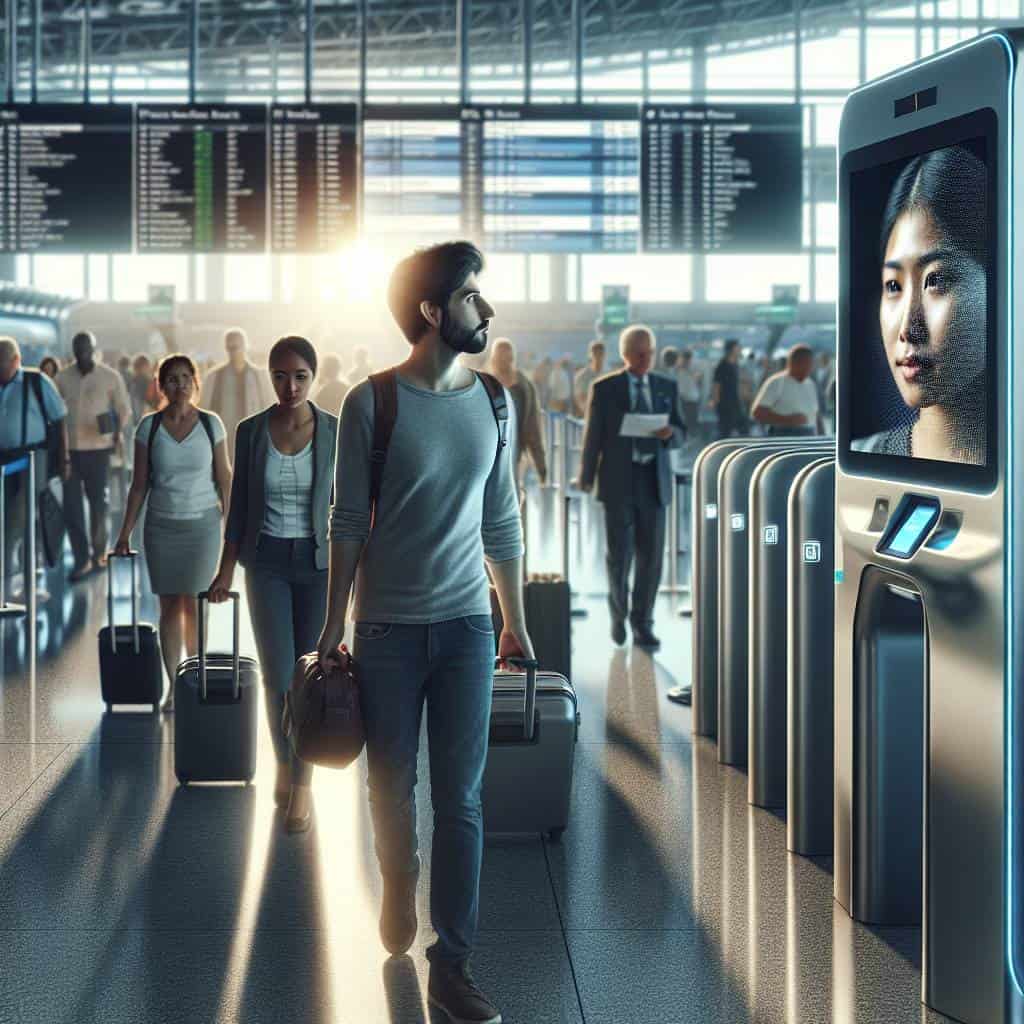
Now, before you start thinking I’m just another grumpy passenger stuck in the past, let’s cut through the noise. This article isn’t about me longing for the days of paper tickets and endless queues. No, it’s about dissecting what these biometric boarding technologies actually mean for us—beyond the glossy brochures that promise “efficiency” and “security”. We’re diving deep into facial recognition, the illusion of speed, and the trade-offs that come with handing over your digital identity at the gate. Buckle up, because this journey will challenge the conventional wisdom surrounding these so-called innovations.
Table of Contents
Facial Recognition: My Unwanted Airport Stalker
Let’s dive right into the digital eye that never blinks—facial recognition at airports. It’s like having an overzealous paparazzi, except instead of snapping photos, it’s analyzing every contour of your face while you just want to catch a flight. The promise? Efficiency and security, they say. But let’s be real: it feels more like being stalked by an algorithm with an identity crisis. As you step into the terminal, the system’s invisible gaze follows you, matching your face with some digital archive. Sure, it’s swift. No more fumbling with passports. But the trade-off? A piece of your privacy, bartered away in the name of convenience.
Now, efficiency is the buzzword these days, and airports are desperate to cling to it like a lifeline. They parade facial recognition as a marvel of modern engineering, a boon to the harried traveler. But for those of us who still cling to the quaint notion of personal space, it’s intrusive. It’s like the airport security version of a nosy neighbor peeking through the curtains. The tech might streamline the boarding process, but it also opens up a Pandora’s box of privacy concerns. What happens to your data? Is it secure, or is it just another juicy morsel for cyber vultures? These are the questions that haunt my layovers.
Let’s not kid ourselves. The security angle is as much about control as it is about safety. While the system promises to catch the bad guys, it also ensnares the rest of us in a digital net that’s hard to escape. It’s a delicate dance between advancement and intrusion, where each step forward leaves a trace of your digital footprint behind. So the next time you glide through a terminal with facial recognition, remember: it’s not just your face that’s being scanned. It’s your autonomy, your right to move unnoticed, that’s quietly being cataloged. Welcome to the future—or is it a surveillance dystopia dressed as progress?
Facing the Future: A Cautionary Tale
Biometric boarding isn’t just about efficiency; it’s a trade-off where your face becomes the ticket, and privacy is the price.
Facing the Future with Open Eyes
In the end, my journey with biometric boarding technologies feels like a twisted coming-of-age story. I’ve watched as the cold, unblinking eye of facial recognition has wormed its way into the sanctum of our airports, promising efficiency and security like a slick salesman hawking snake oil. But beneath the polished veneer, there’s an unsettling undercurrent of intrusion, a silent assertion that our faces are now open books to be scrutinized and logged. It’s not just about the tech—it’s about the subtle erosion of privacy we’ve grown numb to.
Yet, in this brave new world, there’s a begrudging acknowledgment of the inevitable. We’re hurtling toward a future where our identities are bar codes, scanned and processed in the name of progress. And maybe there’s a part of me that sees the potential here—a streamlined dance through airports, a cloak of security that’s less cumbersome than the old ways. But let’s not kid ourselves. While the machinery hums its efficient tune, let’s keep our eyes wide open, questioning and challenging every step. After all, in a world of automated smiles, retaining a bit of skepticism might be the only way to stay truly human.
