I once found myself in the middle of Heathrow, staring down a gate agent with the kind of intensity usually reserved for high-stakes poker games. My crime? Trying to sneak an extra 200 grams past their draconian baggage allowance. It was as if I had attempted to smuggle a small child aboard. The look on the agent’s face was the same one I imagine they’d use if I had confessed to a serious felony. And there it was—the inevitable conclusion to my futile packing strategy, a strategy I had painstakingly crafted with the precision of a NASA engineer. Yet, here I stood, victim to the volatile whims of airline regulations, and just a little too overconfident in my ability to bend reality to my will.
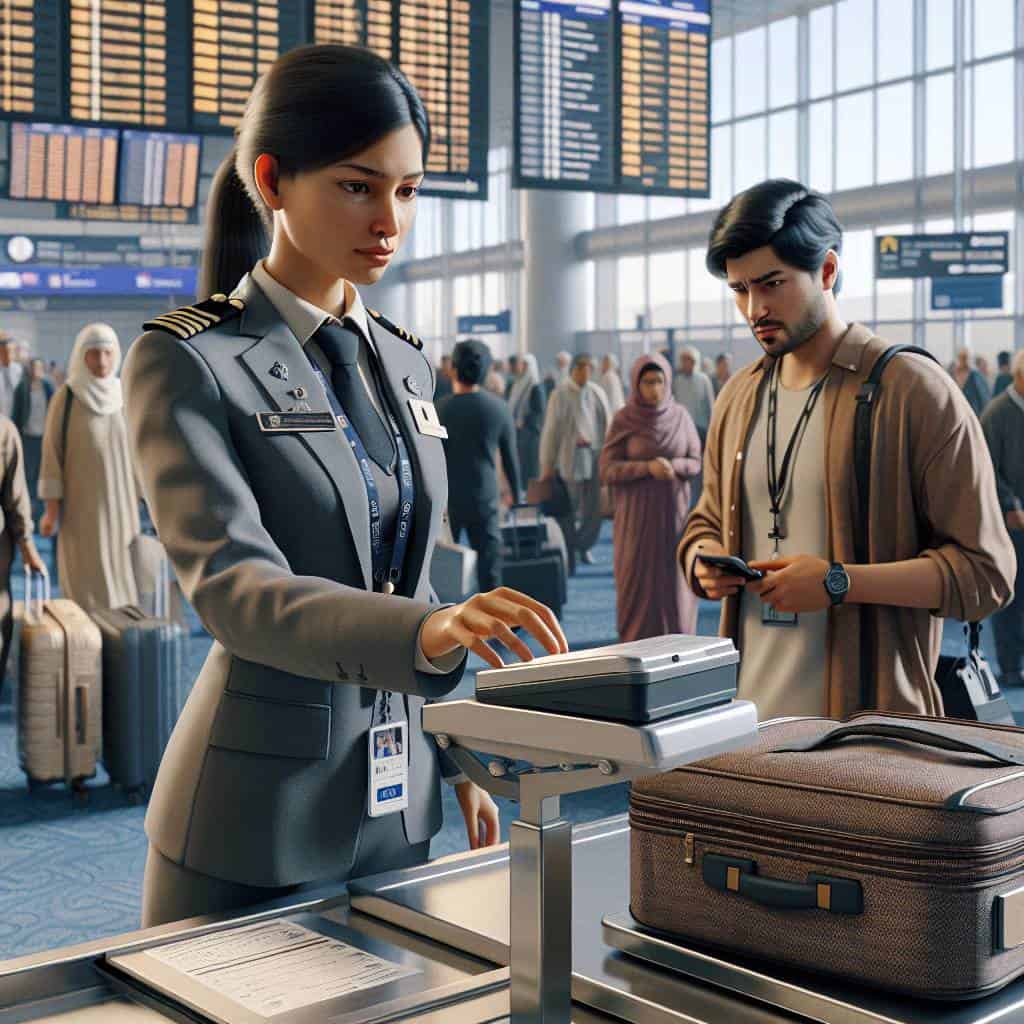
But this isn’t just about me and my stubborn refusal to accept defeat. No, this article is your guide to navigating the minefield of airline baggage policies—their hidden traps and potential pitfalls. We’ll slice through the confusing jargon of weight limits and size restrictions with the same ruthlessness I wish I had applied to my packing list. From tactical packing maneuvers that could make a military strategist envious to decoding the fine print that airlines hope you ignore, we’re going to arm you with the tools you need to outsmart the system. Because let’s face it, the airline industry is a battleground, and it’s time you started winning.
Table of Contents
The Art of Packing: A Love-Hate Relationship with Airline Policies
Let’s talk about the art of packing. More specifically, the delicate dance of cramming your life into a suitcase without triggering those dreaded airline fees. You see, airline baggage policies are the stuff of nightmares for anyone who’s ever tried to fly with more than a toothbrush. They’re part science, part dark art, designed to keep you guessing and, let’s face it, to make you pay. Every airline seems to have its own version of the Ten Commandments, written in the blood of travelers who dared to bring one too many pairs of socks. So, you learn to navigate this minefield with the finesse of a cat burglar. It’s a love-hate relationship—love for the challenge, hate for the policies that make it necessary.
Now, let’s not kid ourselves. Packing is a battlefield, and in this war, knowledge is your only weapon. You could try to game the system, weighing your bags with the precision of a NASA engineer and praying to the travel gods that their scales match yours. But even then, there’s no guarantee. They’ve got rules about everything: dimensions, weight, even the number of bags you can carry. And just when you think you’ve got it all down, they hit you with a new fee or policy change. It’s almost as if they enjoy watching you squirm. Yet in spite of the frustration, there’s a twisted satisfaction in mastering this game, in knowing you’ve outsmarted their labyrinthine rules with nothing but a suitcase and sheer determination.
The Baggage Battle Cry
In the war of air travel, your suitcase is your sword, and every ounce you pack is a calculated risk against the airline’s bounty hunters.
The Final Standoff: Me vs. The Airline Baggage Beast
After years of wrestling with suitcases, scales, and the ever-elusive ‘personal item,’ I’ve realized that airline baggage allowance is less about logistics and more about a battle of wits. It’s a game they designed for us to lose, but I’ve taken it as a personal challenge to bend their rules without breaking my bank. I’ve become a seasoned strategist, each trip an opportunity to refine my tactics. My weapons are compression bags, digital scales, and a fierce determination to never pay a single cent more than necessary.
But here’s the thing: it’s not just about saving money—it’s about reclaiming a sense of control in a landscape engineered to overwhelm. Each trip, I stare down the baggage beast and emerge just a little bit sharper, a little more cunning. And despite the frustration, there’s a strange satisfaction in outsmarting a system that was never designed to be fair. So, I pack my bags with precision and a smirk, knowing that, for now, I’ve won another round in this ongoing saga.
