Ever found yourself in a situation so absurd you couldn’t help but laugh? That was me, strapped into an airplane seat, trying not to picture the odds of my safety relying on a flimsy oxygen mask. You know the type: the ones that look like they were last updated when disco was in fashion. As an engineer, I can’t help but dissect the mechanics of things, and let me tell you, the design of these emergency gadgets would make even Rube Goldberg raise an eyebrow. But here’s the kicker—these pieces of equipment are supposed to save lives. They aren’t merely props for the in-flight safety demo that most of us ignore. And yet, there I was, questioning whether that seat cushion would really double as a life preserver or just a soggy sponge.
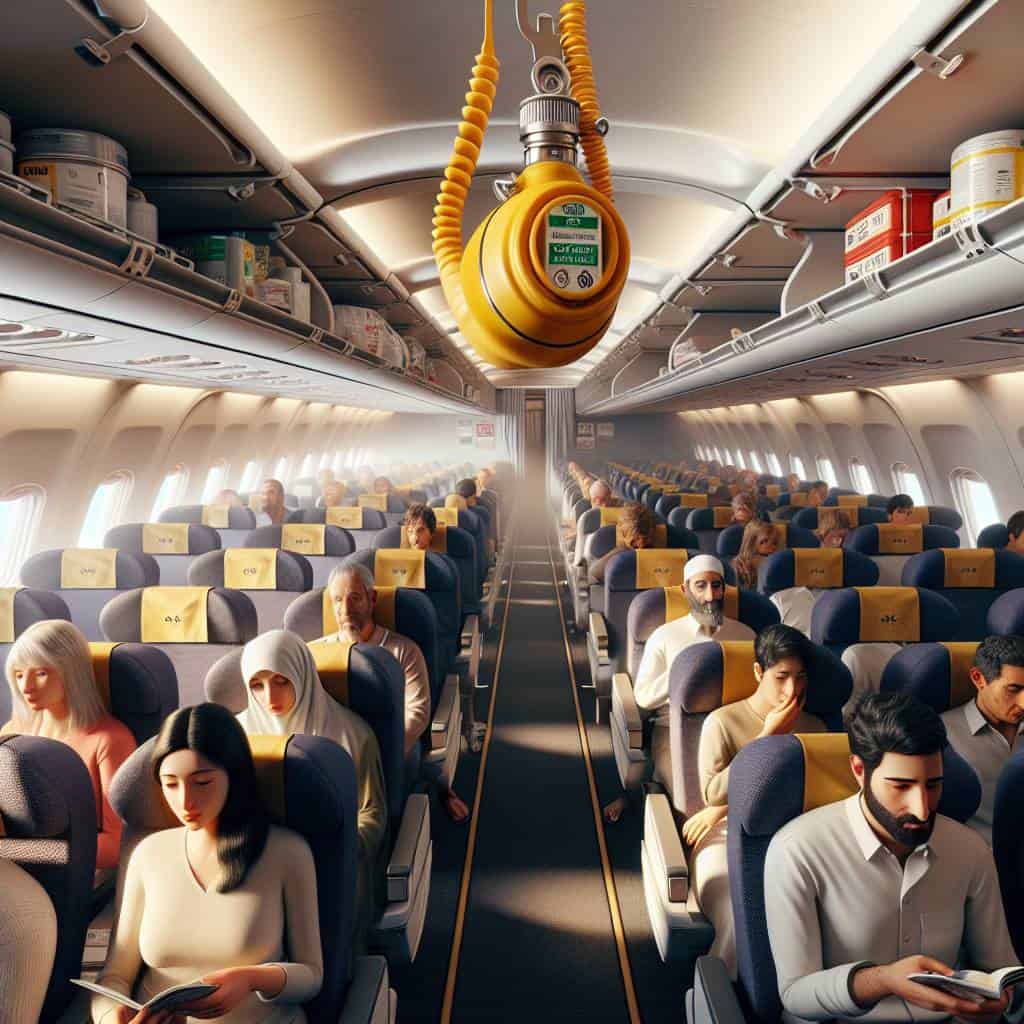
So, what can you, the sharp-eyed reader, expect from this exploration into the world of aircraft emergency equipment? No fluff, no filler—just a clear look at how quality, reliability, and compliance actually play out at 30,000 feet. We’ll dive into the nitty-gritty of what makes these safety measures tick, and why you should care. Because, let’s be honest, when you’re hurtling through the sky in a metal tube, you want to know that every component has been scrutinized down to the last bolt. Buckle up, because we’re about to cut through the jargon and get to the core of what really matters in keeping you safe up there.
Table of Contents
When Quality Checks Become a Question of Survival
Imagine you’re hurtling through the sky, and suddenly, the unthinkable happens. This isn’t a bad action movie; it’s a real-life scenario where you’re counting on every inch of your seatbelt, every stitch in your life vest, and every breath from that oxygen mask. The stakes? Your survival. In these high-stakes moments, quality checks aren’t just bureaucratic hurdles—they’re lifelines. Every piece of aircraft emergency equipment undergoes rigorous scrutiny to ensure it performs under pressure. Why? Because when it comes down to it, reliability isn’t just a nice-to-have; it’s the difference between life and death.
Now, let’s talk about the people behind these checks. Engineers, inspectors, and safety experts who don’t just clock in and out. They dissect every component, every safety protocol, ensuring compliance with regulations that might seem stringent to the untrained eye. But here’s the kicker: these standards are in place because they matter. It’s not about being overly cautious; it’s about preparing for the worst-case scenario so that you, me, and everyone else have a fighting chance when things go south. So, next time you fasten your seatbelt and listen to that pre-flight safety spiel, remember—it’s more than just routine. It’s a testament to the relentless pursuit of safety, where quality checks are the unsung heroes in the story of survival.
The Unseen Lifeline
In the chaos of a failing engine, it’s the overlooked inspection that becomes your silent savior.
Beyond the Checklist
It’s funny how reviewing aircraft emergency equipment makes you rethink a lot of things—like how much trust we place in objects we rarely notice. I’ve spent countless hours crawling through manuals and dissecting every detail of those emergency kits. And every single time, I’m reminded that these aren’t just items. They’re lifelines, designed to function flawlessly when everything else fails. It’s a sobering thought, really. You can’t help but develop a profound respect for the engineers and inspectors who ensure that each component is up to par. They’re the unsung heroes, working behind the scenes to keep us safe.
But here’s the kicker—this job has made me brutally aware of my own fallibility. We’re all human, prone to overlook details or make assumptions. That’s why, as much as I trust the systems in place, I always double-check. Whether it’s that oxygen mask or the life vest, I need to know these things won’t let me down when it matters most. It’s not paranoia; it’s pragmatism. So, next time you board an aircraft, take a moment to appreciate the silent complexities that keep you aloft. Because while flying may seem routine, it’s anything but.
