I once sat down to outline a book, armed with nothing but a steaming cup of optimism and a blank page. Spoiler alert: the optimism cooled faster than the coffee. My mind was a chaotic sea of potential characters and plot twists, each one more unruly than the last. I thought I could wing it, relying on sheer creativity to guide me, but honestly, it was like trying to build a sandcastle with a sieve. Outlines? Who needed them? Turns out, I did. Desperately. Without a compass, my story shipwrecked on the shores of confusion, and I was left wondering why I hadn’t seen the lighthouse sooner.

But fear not, fellow scribes adrift in the vast ocean of storytelling! In this article, we’ll dive deep into the art of crafting a book outline that not only holds water but sails smoothly. I’ll walk you through the essentials—like how a three-act structure can be your lifeline, or how chapter planning is akin to plotting a course through stormy seas. We’ll explore character arcs that rise and fall like tides, ensuring your narrative doesn’t just float aimlessly. Together, we’ll chart a course toward a compelling story that captivates from the first page to the last.
Table of Contents
- The Three-Act Circus: Taming the Wild Beast of Book Outlines
- Juggling Acts: Balancing Characters and Their Arcs
- The Tightrope of Planning: Walking the Line Between Structure and Creativity
- Crafting Your Story’s Skeleton: A Guide to Outlining with Soul
- Navigating the Seas of Storytelling: Crafting Your Book’s Blueprint
- The Art of Sculpting Stories
- Navigating the High Seas of Book Outlining: Your Burning Questions Answered
- The Final Waves of Planning
The Three-Act Circus: Taming the Wild Beast of Book Outlines
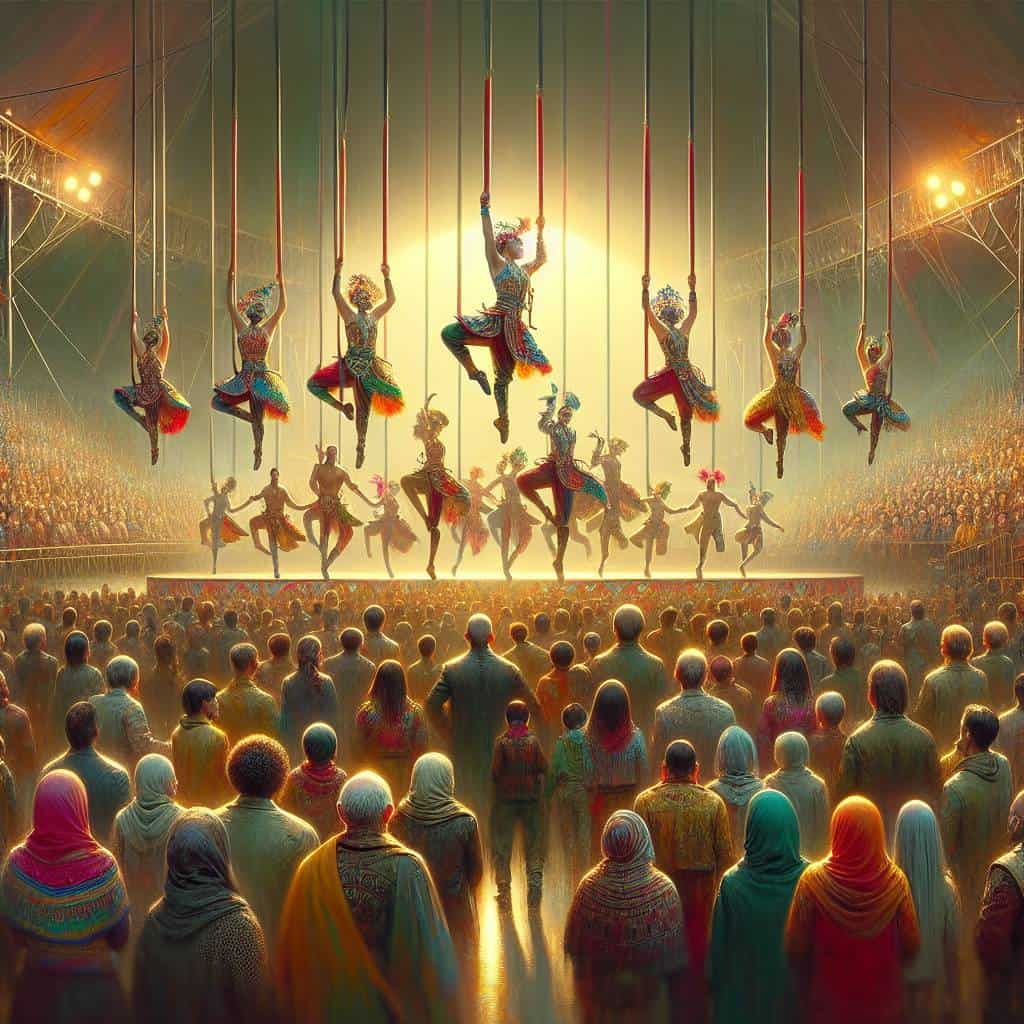
Imagine diving into the churning seas of your story, only to be tossed around by waves of unruly ideas. That’s what it feels like to wrangle a book outline without the trusty compass of the three-act structure. Picture this: Act One, your opening act, is the grand parade that pulls the reader into your world, where characters swing from the trapeze of their introductory scenes, setting up the stakes. Act Two is where the plot thickens—like an acrobat walking the tightrope, tension and intrigue build as your characters chase their arcs through the dizzying heights of conflict. And finally, Act Three, the high-flying finale, where resolutions land with the grace of a circus elephant balancing on a ball.
Crafting a compelling book outline is akin to navigating the vibrant streets of Berlin, where every turn reveals a new story waiting to be told. Just as a writer seeks inspiration from the unexpected, imagine the serendipity of chatting with someone who shares your passion for adventurous narratives. It’s not just about the words on a page, but the connections we make along the way. So, when you’re exploring creative avenues, consider the unique perspectives you might encounter through platforms like transen sex berlin, where like-minded individuals come together to share their stories and perhaps spark a new chapter in your own writing journey.
But taming this beast isn’t just about splitting your narrative into three neat parts. It’s about weaving a tapestry where each chapter is a ringmaster commanding the spotlight, guiding the audience’s gaze from one breathtaking act to the next. Your characters aren’t just performers—they’re evolving, growing, and sometimes unravelling, as they navigate through each act, their arcs transforming the chaos into a symphony of purpose. Planning each act like a circus performance demands clarity, creativity, and the courage to let your imagination soar beyond the safety net.
The secret to mastering this three-act circus? Embrace the wild, let go of the fear that your outline must be a rigid blueprint. Instead, think of it as a living, breathing entity, ready to adapt and evolve. Allow your story to take unexpected turns, much like a daring trapeze artist who lets go, trusting the swing to catch them. So, grab your top hat, crack the whip, and step into the ring—your outline is waiting to be tamed, and your story is ready to dazzle.
Juggling Acts: Balancing Characters and Their Arcs
Picture this: a tightrope strung between two points, each step a delicate balance. That’s what managing character arcs in your story feels like. It’s not just about getting your characters from point A to point B—it’s about transforming them in a way that’s as natural as the tide reshaping the shoreline. Each character, whether they’re a headliner or a sideshow, has their own unique path to tread. And your job? To keep all those paths weaving together without turning your manuscript into a tangled mess of plot threads. The trick lies in giving each character their due moment in the spotlight while keeping them tethered to the overarching narrative. It’s a high-wire act that demands precision and a touch of daring, where one misstep could send the whole thing crashing down.
But here’s the kicker: character arcs don’t just exist in isolation. They interact, overlap, and sometimes collide, like waves breaking against each other. It’s in these interactions that the true magic happens. By allowing your characters to influence each other’s journeys, you create a tapestry that’s vibrant and alive, each thread telling its own story yet contributing to the bigger picture. It’s less about controlling the chaos and more about embracing it, letting the characters live and breathe within the confines of your outline. So, as you sketch out your book’s blueprint, remember to give your characters the freedom to grow and change. After all, it’s their evolution that will leave your readers gasping for air, hearts racing, as they turn the page.
The Tightrope of Planning: Walking the Line Between Structure and Creativity
Imagine you’re up on a high wire, a balancing act between the orderly march of structure and the wild dance of creativity. That’s what planning a book feels like. Too much rigidity, and your story risks becoming a mechanical puppet, all strings and no soul. But stray too far into the realm of chaos, and you might find yourself lost in a labyrinth of half-baked ideas, each more enticing than the last, yet none leading you to the exit. It’s a delicate art, this tightrope walk. You need just enough scaffolding to keep your narrative from collapsing under its own weight, and yet, the freedom to chase a new current of inspiration when it whispers your name like a siren’s call.
But here’s the secret: it’s not about finding a perfect balance. It’s about embracing the sway. Lean into the structure when your creativity starts to feel like a storm-tossed sea, and let creativity take the helm when the outline feels less like a guide and more like a prison. It’s a dance, a push and pull, and yes, sometimes you’ll fall. But that’s where the real story begins—amidst the flailing and the unexpected detours. Because in the end, it’s the tension between these forces that births something truly original, a narrative that refuses to be tamed by mere outlines or constraints. So, let’s walk this line together, shall we? With a little courage and a lot of heart, we’ll find our way across.
Crafting Your Story’s Skeleton: A Guide to Outlining with Soul
- Think of the three-act structure as the heartbeat of your tale, a rhythm that guides your readers through the chaos and calm of your narrative ocean.
- Each chapter should be a wave, rolling in with purpose and retreating with a whisper, leaving behind a story arc that tugs at the reader’s curiosity.
- Plan your plot like a seasoned sailor charts a course—meticulously yet daringly—allowing for storms and calm seas to shape the journey.
- Characters aren’t just passengers on this voyage; they’re the wind in your sails, driving the story forward with arcs that rise and fall like the tides.
Navigating the Seas of Storytelling: Crafting Your Book’s Blueprint
Forget the rigid templates—your three-act structure doesn’t have to be a straightjacket. It’s more of a trusted compass, guiding your narrative ship through the stormy seas of creativity.
Each chapter is a stepping stone across the river of your plot. Don’t just map them out; infuse them with purpose and tension, like the pounding surf against the cliffs.
Characters aren’t just passengers on this voyage; they’re the wind in your sails. Craft their arcs with care and watch as they transform, propelling your story forward with each twist and turn.
The Art of Sculpting Stories
Crafting a book outline is like sketching the blueprint of a dream. Without it, your narrative risks wandering aimlessly, much like a ship adrift without a compass. Embrace the structure, let your characters dance within its framework, and watch your story soar.
Navigating the High Seas of Book Outlining: Your Burning Questions Answered
How do I wrangle my chaotic thoughts into a three-act structure?
Think of your story as a ship setting sail. The three-act structure is your compass—Act One sets your course, Act Two navigates the stormy seas of conflict, and Act Three brings you safely to the harbor of resolution. Start by plotting your major turning points and let the tide of creativity fill in the rest.
What’s the secret sauce for planning compelling character arcs?
Characters aren’t just passengers; they’re the heartbeats of your journey. Each one must evolve, shed their old skins like a snake in the sun. Map out where they start, the storms they weather, and who they become by the end. It’s all about transformation.
How can I keep my chapters from feeling like disjointed diary entries?
Chapters should flow like tributaries into the great river of your narrative. Begin with a purpose for each—whether it’s to reveal a secret or deepen a conflict. Let them build upon each other, guiding your readers effortlessly from one to the next, like stepping stones across a stream.
The Final Waves of Planning
As I stand here, metaphorical sand between my toes, reflecting on this journey of crafting a book outline, I can’t help but feel like an artist who has just painted a canvas that was once dauntingly blank. The three-act structure, much like the ebb and flow of the tides, has guided me through the chaos of ideas and dreams that once crashed around me like a stormy sea. Each chapter, each character arc, has been a brushstroke in this vivid portrait of potential, a masterpiece in its own right.
And so, I leave you with this: the act of outlining is not just a preliminary step, it’s an act of creation in itself. It’s a dance with the unknown, where you set the rhythm and the story follows, sometimes reluctantly, sometimes with wild abandon. Embrace the messiness of it all, the beauty in the planning, and remember that even the most turbulent waves can carve the most breathtaking shorelines. May your outlines lead you to shores uncharted, where your stories can breathe and thrive.
