I remember my first time in a cockpit like a bad first date. The kind where you realize halfway through that you’re completely out of your depth, and all the smooth talk about “state-of-the-art technology” seems like a cruel joke. There I was, surrounded by a sea of buttons and screens, feeling like I needed a PhD just to figure out which way was up. That’s when I saw it—the heads-up display. It was like the snarky friend who rolls their eyes at your confusion and then tells you exactly what you need to know. In that moment, I understood: these displays aren’t just tech—they’re the sanity-saving voice of reason in the chaos of aviation.
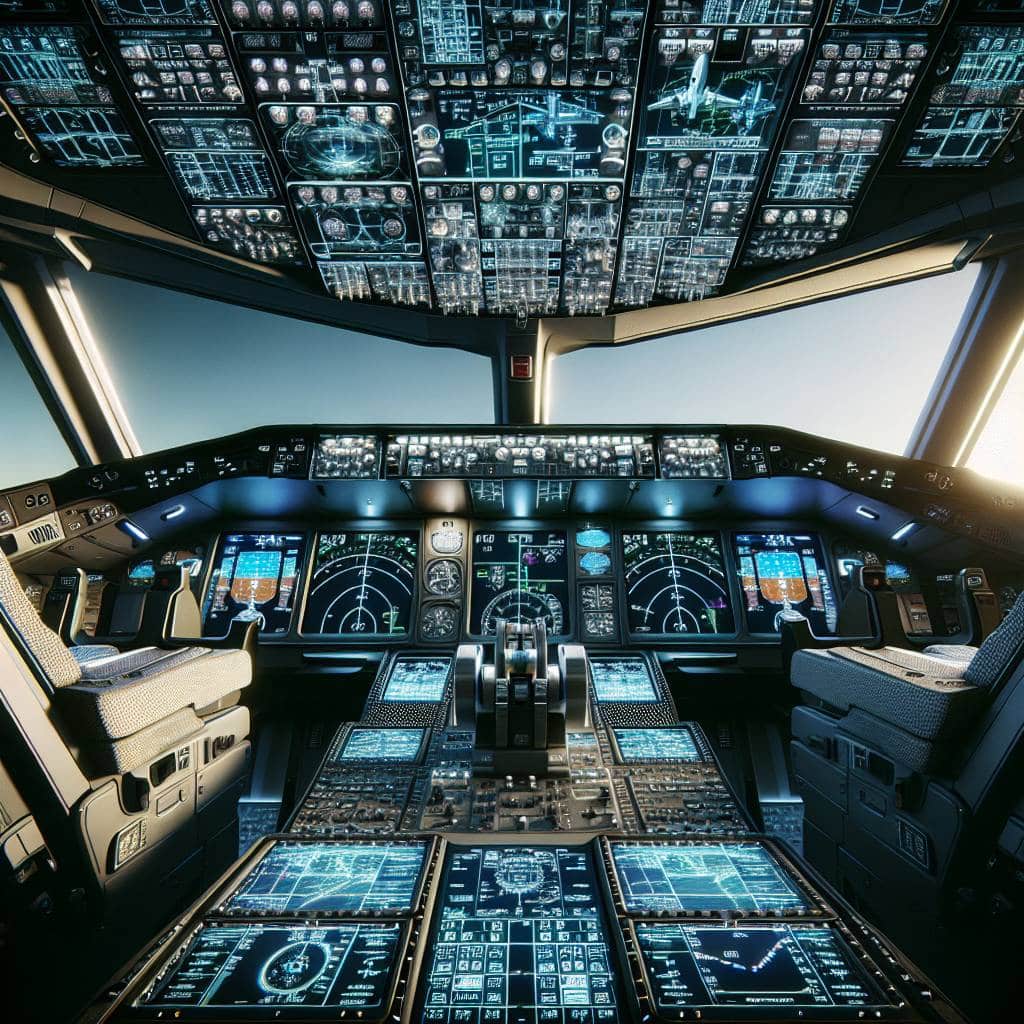
So, here’s the plan. We’re diving into the gritty reality of cockpit heads-up displays. No marketing jargon, I promise. Just a clear-eyed look at how this tech is reshaping the way pilots keep us safe in the sky. We’ll cut through the noise and get real about the role of augmented reality, safety, and navigation. Because, let’s face it, when you’re in the cockpit, surrounded by a million distractions, you need something that doesn’t just add to the mess but actually makes sense of it.
Table of Contents
How Augmented Reality Turned My Flight Into a Sci-Fi Movie
Strap in, because my last flight was more than just a trip from point A to B—it was like stepping into the cockpit of a starship. Augmented reality heads-up displays have transformed the aviation game, catapulting it straight into the realm of science fiction. Picture this: a pilot’s view filled with data-rich overlays right on the windshield, where crucial information like altitude, speed, and navigation paths are projected directly in front of their eyes. No more glancing down at a myriad of dials and screens. It’s like having a digital co-pilot whispering sweet nothings of survival in real-time.
Why is this a game-changer? Because it turns the chaotic orchestra of flying into a symphony of precision. Forget those clunky old panels that demanded pilots split their attention like a magician’s assistant. This is laser-focused efficiency. AR transforms the cockpit into a streamlined command center, where situational awareness is heightened to superhero levels. Imagine navigating through turbulent skies with a clear path projected before you, like a glowing runway through a storm. Pilots can make split-second decisions with all the critical data they need literally at a glance, reducing human error and enhancing safety in ways that were once the stuff of dreams.
And let’s talk about safety. Every aviator’s holy grail. These displays don’t just spit out data; they contextualize it. A storm brewing ahead? The heads-up display doesn’t just alert you; it suggests the best course of action, like an autopilot with a brain. It’s not just a tool; it’s practically a second opinion. In the high-stakes chess game of aviation, AR heads-up displays are the strategic advantage that turns the odds in favor of safety, efficiency, and sanity. So, yeah, my flight felt like a sci-fi movie. But it was also a glimpse into the very real future of aviation—one that’s not just thrilling but also profoundly safer.
The Only Co-Pilot You Need
Cockpit heads-up displays are like the sarcastic genius who hands you clarity when chaos is all you see. They don’t just improve safety; they redefine navigation.
The Unseen Co-Pilot
As I sit back and let the reality of augmented reality marinate, I can’t help but feel a surge of gratitude. Not for the tech itself, but for the way it’s forced me to rethink what it means to be ‘present’ in the cockpit. It’s like having an extra pair of eyes that don’t just observe but interact. They strip away the chaos and leave me with nothing but the raw essentials I need to get from point A to point B. It’s an odd comfort, knowing that while tech is evolving, it’s doing so with the sole purpose of keeping us grounded, ironically enough.
In the end, these heads-up displays have become more than just tools. They’re a silent partner in every flight, a reminder that while we humans might be prone to error, our creations can sometimes save us from ourselves. And maybe that’s the real lesson here. In a world that demands constant innovation, it’s the simplest solutions that often make the biggest impact. So here’s to the unsung heroes of the cockpit—the tech that doesn’t just augment reality, but turns it into something we can actually manage.
