I once spent an entire night locked in a battle against an army of crumbs and suspicious stains in the cramped confines of a 747. As I wielded my trusty spray bottle like a sword, I couldn’t help but question the sanity of any engineer who thinks designing a plane without considering how to clean it is a good idea. But here’s the kicker—reviewing aircraft cleaning protocols isn’t just about battling the grime. It’s about understanding why these protocols exist in the first place and how they impact everyone who dares to board that flying germ capsule.
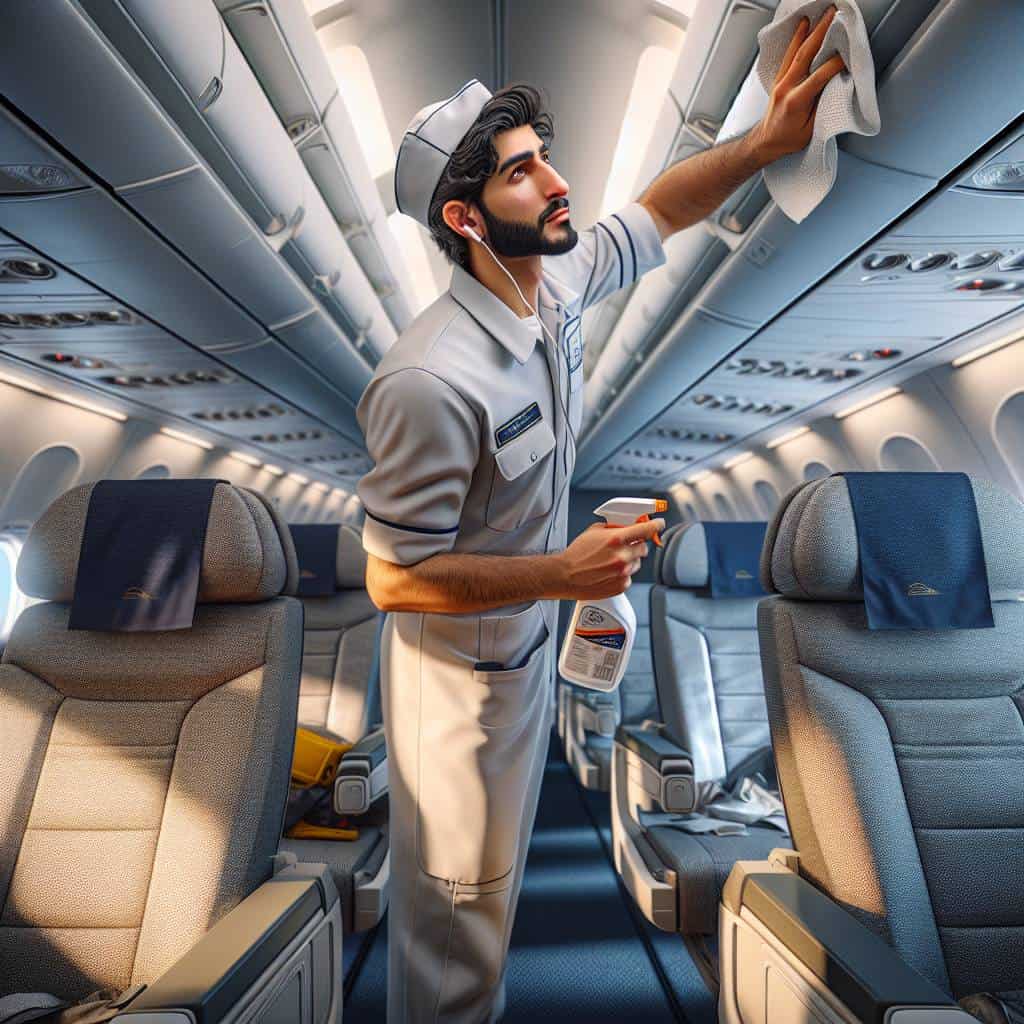
So, what can you expect from diving into the labyrinth of aircraft cleaning protocols with me? We’ll strip away the nonsense and lay bare the gritty reality of what it takes to keep these metal birds in top shape. We’ll explore safety, dissect efficiency, and scrutinize thoroughness—all without sugarcoating the truth. If you’ve ever wondered what happens behind the scenes to keep your seat (relatively) clean, you’re in the right place. Let’s get our hands dirty and find out.
Table of Contents
Is This Really Cleaner or Just a Germ’s Spa Day?
Ever wondered if the cabin crew’s promise of a “clean plane” is just a fancy way of saying, “Welcome to the germ sauna”? Let’s break it down. Between back-to-back flights, cleaning crews have about as much time to scrub down an aircraft as a sprinter has to catch their breath. We’re talking minutes, not hours. So, what happens? A quick wipe of the tray tables, a cursory vacuum of the aisles, and maybe—just maybe—a spritz of air freshener to mask the scent of humanity that’s been recycled through the cabin a thousand times over. It’s a frantic dance of efficiency, where thoroughness often takes a backseat to the ticking clock.
But here’s the kicker. The detergents and disinfectants used are supposed to be the frontline warriors against bacteria and viruses. Still, without the luxury of time, are they really doing the job, or are we just giving germs a warm bath and a chance to regroup? You see, the real test of cleanliness isn’t just in the visual shine of a seat buckle, but in the unseen microscopic battle waged on every surface. Safety demands that we look beyond the apparent, challenging us to rethink whether these protocols are a true defense or a mere illusion of sanitation. So next time you buckle up, perhaps you should ask yourself if you’re sitting in a sanitized haven or just another chapter of a germ’s day spa itinerary.
Peeling Back the Layers of Clean
In the relentless pursuit of aviation safety, reviewing cleaning protocols isn’t just about a clean cabin; it’s about ensuring every flight is as dependable as the sunrise. The devil is truly in the details, and those details can mean the difference between a smooth journey and turbulence, both literal and metaphorical.
The Dirty Truth Behind the Clean Facade
Reflecting on my journey through the gritty world of aircraft cleaning protocols, I’ve come to appreciate the unsung heroes who toil in the shadows. It’s easy to dismiss them as mere custodians of cleanliness, but their work is the backbone of our sky-high adventures. They battle grime with the same fervor an architect brings to a new skyscraper. And let’s be honest, without their relentless pursuit of safety and efficiency, we’d all be flying in airborne germ incubators.
But there’s more to this than just elbow grease and industrial disinfectants. It’s about the relentless pursuit of thoroughness, the kind that transforms a task into an art form. And while the glamour of aviation often overshadows these efforts, it’s clear that the real magic happens in the unglamorous corners of the hangar. So, next time you buckle up and prepare for takeoff, maybe spare a thought for those who ensure your journey begins with a clean slate. They might not wear capes, but they certainly keep the skies safer for us all.
