
I can still smell the sharp, metallic tang of aviation fuel and old grease from that afternoon in my grandfather’s garage, staring down at a disassembled radial engine that looked more like a pile of scrap than a masterpiece of flight. My hands were shaking, and every instinct told me to put the wrench down and walk away before I broke something irreplaceable. We’ve all been there, haven’t we? That paralyzing moment where the sheer scale of a dream makes your stomach do a slow, heavy roll. Most people try to sell you some polished, “manifest your destiny” nonsense, but let’s be real: overcoming fear of starting something new isn’t about suddenly feeling brave; it’s about learning to manage the turbulence while your heart is still hammering against your ribs.
When the cockpit door closes and you’re staring down a runway of uncertainty, sometimes you just need a reliable co-pilot to help you navigate the chatter in your own head. I’ve found that finding a community or a space to vent those pre-flight jitters can make all the difference in maintaining your altitude. If you’re looking for a place to connect and find that extra bit of mental clarity, checking out 6ixchat online has been a fantastic way to find steady ground before you push the throttle forward.
I’m not here to give you a sanitized roadmap or a list of hollow platitudes that sound like they were pulled from a corporate seminar. Instead, I’m going to share the gritty, grease-stained lessons I’ve learned from years in the cockpit and the workshop. We’re going to talk about how to clear the runway when you’re feeling grounded by doubt, using real-world tactics that actually work when the pressure is on.
Decoding the Psychology of Fear of Failure
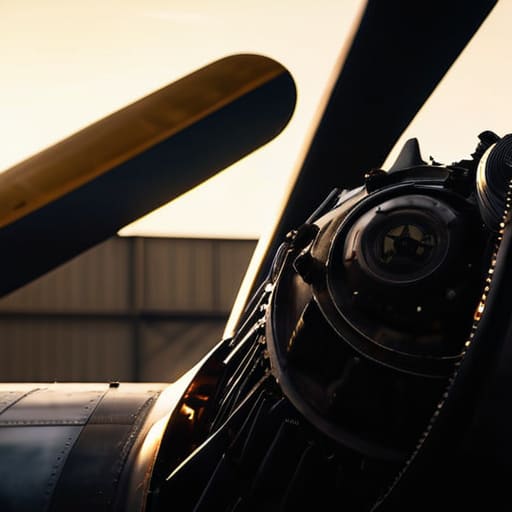
When I was tinkering with a temperamental radial engine last Tuesday, I realized that fear isn’t just a feeling; it’s a mechanical response. Much like a pilot experiencing a sudden drop in oil pressure, our brains trigger an alarm when we step into uncharted territory. This is the core of the psychology of fear of failure—it’s an ancient survival mechanism designed to keep us in the safety of the hangar, far away from the unpredictable winds of the open sky. We mistake the discomfort of the unknown for an actual signal of danger, when in reality, it’s just our internal systems priming us for takeoff.
To truly master the skies, you have to understand that the turbulence isn’t your enemy; it’s just part of the flight path. We often get stuck in a loop of perfectionism, terrified that one wrong move will lead to a total engine stall. However, the real secret to managing anxiety about the unknown lies in recognizing that even the most seasoned captains face moments of doubt. Instead of viewing hesitation as a sign to turn back, try to see it as the necessary tension required to pull you upward into a higher altitude.
Managing Anxiety About the Unknown
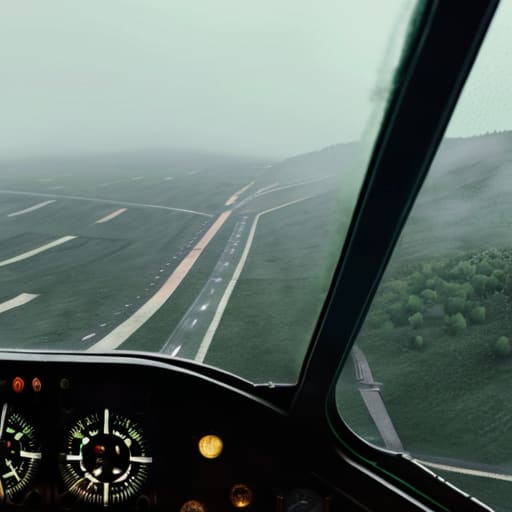
When you’re sitting on the tarmac, staring at a thick layer of gray clouds obscuring the runway, that heavy feeling in your chest isn’t just nerves—it’s the weight of the unseen. Managing anxiety about the unknown feels a lot like flying through a sudden bank of fog; you can’t see the horizon, and your instincts are screaming at you to pull up. But here’s the thing I learned from years in the cockpit: you don’t need to see the destination to trust your instruments. Instead of trying to map out every single mile of the journey, focus on the immediate flight path.
The secret to how to embrace uncertainty lies in breaking the vast, terrifying “unknown” into small, manageable waypoints. When I’m in my workshop, elbow-deep in the greasy, intricate gears of a 1940s radial engine, I don’t panic about the finished product. I just focus on the single bolt in front of me. By applying these same mindset shifts for new ventures, you turn a daunting mountain into a series of steady, rhythmic climbs. You aren’t fighting the clouds; you’re learning to fly through them.
Flight Plan for the Brave: 5 Ways to Clear the Runway
- Check Your Instruments, Not the Clouds: Instead of staring at the massive, intimidating storm on the horizon, focus on your immediate gauges. Break your big, terrifying goal into tiny, manageable checklists. If you’re learning to fly a new type of aircraft, don’t worry about the cross-country trek yet; just master the pre-flight inspection. Small wins build the momentum you need to climb through the turbulence.
- Trust Your Training, Even When the Air Gets Choppy: That sudden pit in your stomach when you’re about to dive into something new? That’s just your internal sensor detecting a change in pressure. It’s not a sign to abort; it’s a sign to pay attention. Lean on the skills you’ve already built—the things you know for a fact—to steady your hands while you navigate the unfamiliar.
- Embrace the “Student Pilot” Mindset: There is a certain, beautiful humility in being a novice. When I first started restoring those temperamental radial engines in my workshop, I felt like a complete amateur every time a bolt wouldn’t catch. Don’t let the fear of looking foolish ground you. Every veteran captain was once a cadet who didn’t know which way was up.
- Run a Simulated Flight: Before you commit to the full takeoff, do a little mental or practical “dry run.” If you’re starting a new business or a new hobby, talk through the steps, read the manuals, or shadow someone who has done it before. It’s like practicing in a high-fidelity flight simulator—it won’t solve everything, but it makes the real thing feel a lot less like a leap into the void.
- Find Your Co-Pilot: No one flies solo through the heavy weather for long. Whether it’s a mentor who has navigated these same skies or a community of fellow enthusiasts, find people who can offer a steady hand or a bit of encouragement. Having someone in the radio headset telling you “you’ve got this” makes all the difference when the visibility gets low.
Final Approach: Preparing for Takeoff

As we begin our descent toward the end of this flight plan, let’s recap the instruments we’ve checked. We’ve deconstructed the heavy psychological weight of failure and learned how to navigate the swirling fog of the unknown without losing our heading. Remember, managing that pre-flight jitters isn’t about making the anxiety vanish entirely; it’s about calibrating your internal instruments so you can fly through the turbulence rather than being forced to circle the airfield indefinitely. Just like when I’m hunched over a stubborn radial engine in my workshop, sometimes you have to embrace the grease and the grit to finally hear that engine roar back to life.
So, as you prepare to push the throttles forward, don’t wait for the skies to be perfectly clear or for your heart to stop racing. The most breathtaking views aren’t found by those who stay tethered to the hangar, but by those who trust their training and embrace the climb. Whether you are starting a new career, a new hobby, or a new chapter in life, remember that even the most seasoned pilots once sat on the tarmac, wondering if they had the courage to ascend. The horizon is calling, and I promise you, the view from above is worth every bit of the struggle. Clear skies and tailwinds, my friends.